


Ein Beitrag im Rahmen des (Re)Search and Share Programms des Kunsthauses.
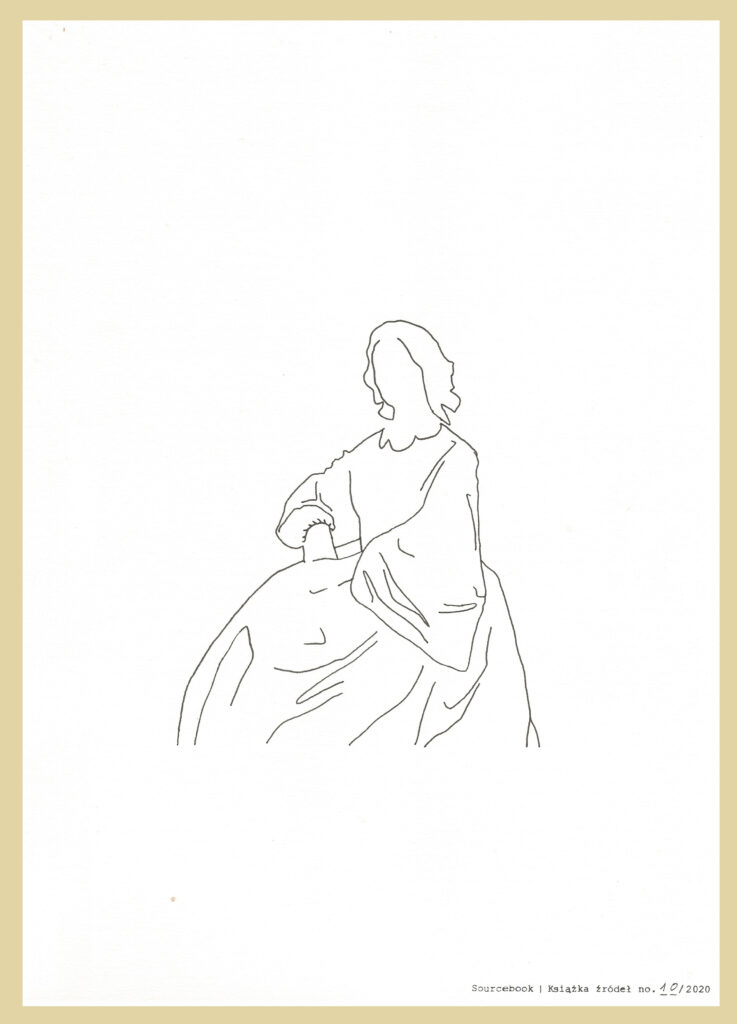
Die Arbeit „Sourcebook“ von Liliana Zeic wurde im Rahmen der von Kerstin Flasche kuratierten Ausstellung „A Question of Closeness / Eine Frage der Nähe“ im Kunsthaus Dresden 2023 gezeigt. „Sourcebook“ ist ein künstlerisches, recherchebasiertes Forschungsprojekt, das Einblicke in die Biografien von feministischen Künstlerinnen, Autorinnen und Aktivistinnen der polnischen Geschichte gibt.
Im Ausstellungsraum sehen wir oft nur das fertige Produkt – Kunst entsteht jedoch fortlaufend, in einem Prozess des Wachstums und der Veränderung. Das Format (Re)Search & Share soll Recherchen, Prozesse, Zwischenstände und künstlerische Experimentierfelder zugänglich machen. Die Beiträge der Künstler*innen im (Re)Search & Share bieten die Möglichkeit der thematischen Vertiefung, des Perspektivwechsels und Material zu präsentieren, das für die Besucher:innen einer Ausstellung oft nicht erfahrbar gemacht werden kann.
The Berry Maids led me to a clearing deep in the forest and told me all those impossible stories. Made up stories, stories spun of thin air, bits of gossip, fibs, claptraps, chuckles of history.
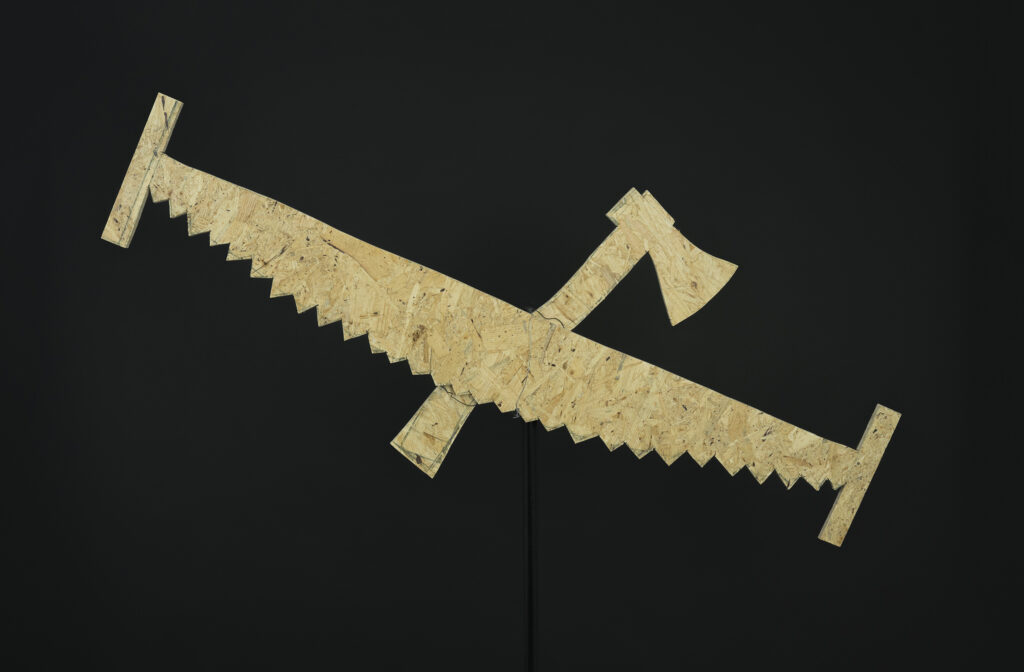
Sourcebook | Excerpts
Maria Konopnicka was born in 1842, she wrote short poems, narrative poetry, short stories, fables, critical sketches, she left behind a plethora of letters. At the age of twenty, she married an impoverished aristocrat and moved to the countryside in order to run a house. Over the following years, she gave birth to eight children; six survived. After 14 years of marriage she decided to leave her husband, moved to Warsaw and began to earn her living by teaching and translating literature.
She was the author of Rota (The Oath), a patriotic song that found a staying place in Polish national thought and was the main competition for Dąbrowski’s Mazurka to become the official national anthem. Lena Magnone, a researcher of Konopnicka’s body of work, writes in 2011: For the last hundred years, Konopnicka practically was not read – she was used. 1
Konopnicka was also the author of short stories and fables which brought up several generations of Polish children; in 1903 she published another poetic fable – Na Jagody! Książeczka leśna (Picking blueberries: A little book of forest). My grandma would read this story to me when I couldn’t yet read myself; I would leaf through the drawings in the book thousands of times.
Only boys can have such adventures, so Konopnicka makes Janek (Johnny) into her protagonist, who will leave the human world to dive into the forest kingdom. On his way, Janek meets a family of blueberry boys, who will become his guides in the forest kingdom and will lead him deeper still into the forest. Together they reach a place where there live, in their separatist female world, the Berry Maids.
— We shall now swim further,
Where the land is full of berries —
Say the small princelings —
In the name of Father, Spirit, Son. (…)
And then — Whoa! — they shout together
And halt their nimble horses.
They look — the maids sit in a circle
(Bindweed twining over them.) 2
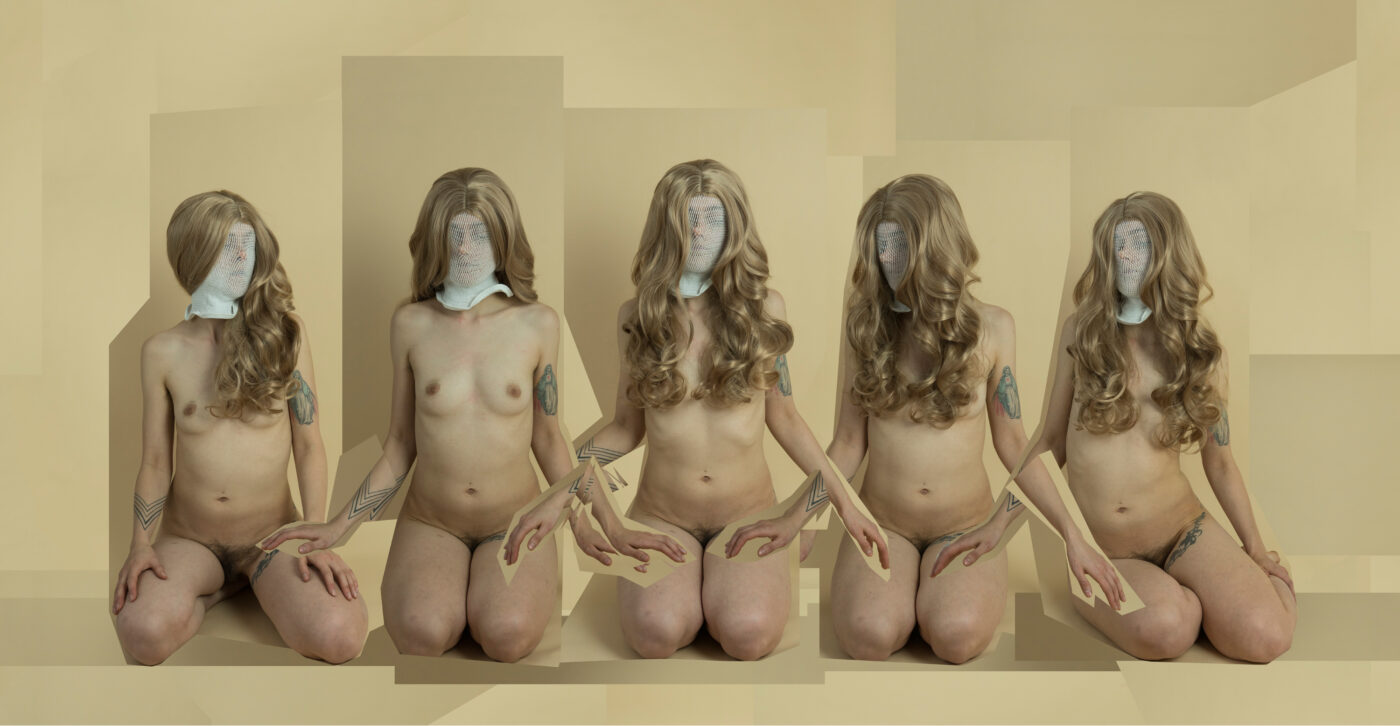
They meet in about 1886 and since then, until Konopnicka’s death, they are practically inseparable. Maria Dulębianka is a painter, younger from the poet by about 19 years; Konopnicka calls her “Piotrek” (Pete) or “Pietrek (Petey) with worn-out elbows”. In a letter to her children, describing the crowd that almost trampled her when she was alighting a ship, she notes: Pietrek was pale and brave, he feared nothing, just defended me.
In 1902, the Lviv committee organizing the 25th anniversary of Konopnicka’s literary work decides to donate to her a jubilee “national gift” – buy her a house together with a patch of land; they choose a manor house in Żarnowiec. Together with Dulębianka, they move there the following year.
When the poet dies seven years later, her daughter forbid Dulębianka from continuing living in Żarnowiec. It is said they never accepted the relationship between their mother and Maria –
Zofia and Laura were put off by the nonchalant manners of Miss Dulęba and the touch of scandal that had to accompany such a persona in such a time, in such a country. She ran for elections to the Diet of Galicia. She made long and radical speeches. She left the armchair if she disagreed with something. She threatened people with her umbrella. She also painted. Quite well. Quite interestingly. 3
When Dulębianka dies, in accordance with Konopnicka’s last will, she is buried in Konopnicka’s grave on the Lychakiv Cemetery in Lviv. However, after just eight years, the image of a shared grave of a couple of women starts to pinch, the memory of the poet’s last will fades, and Dulębianka’s body is transferred to the Cemetery of the Defenders of Lwów (the Eaglets’ Cemetery).
The Maria Konopnicka Museum in Żarnowiec describes this relationship between two women in the official promotional film by the means of a single sentence. And the main web portal dedicated to the history of Polish culture mentions, grudgingly: Gender and queer studies scholars claim that for twenty years, the artists were life partners. 4
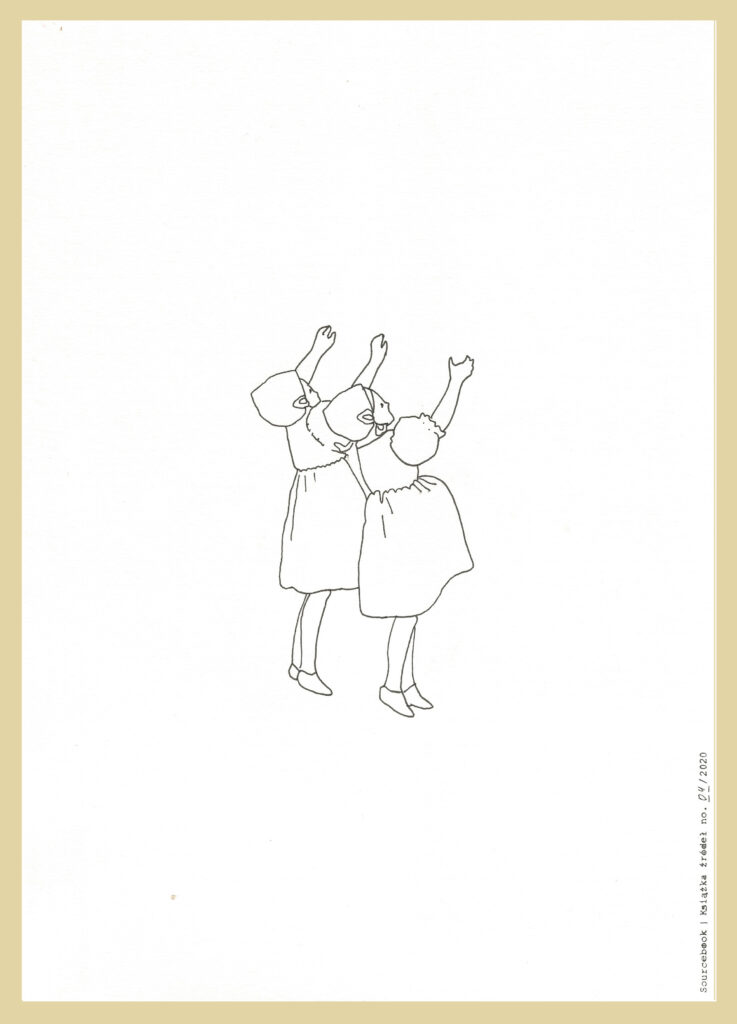
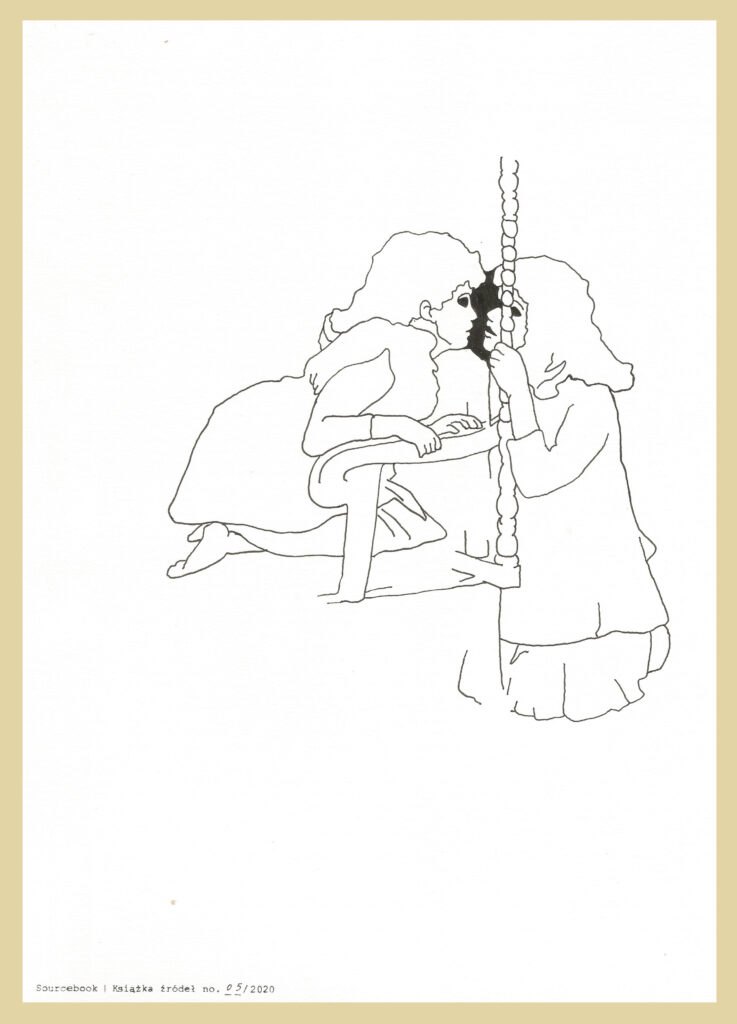
In 1908, Maria Dulębianka runs for a seat in the Diet of Galicia. It is a purely performative gesture, a radically political act, as women do not have active or passive rights in the elections; although Dulębianka receives 512 votes in the elections, they are invalidated immediately after the count. Konopnicka thus describes the anxiety of the final moments before the speech:
Chaos, turmoil, writing the candidate speech in a hurry (…) Issues of agriculture, schools, local government of the cities, etc., and additionally presenting her attitude to the issue of Jews and Russians.” Two days – the speech is ready. Dulębianka is flushed, does not eat, does not sleep, only fills herself with bromine, which helps her none. She leaves – goes to Pest, in Pest she stays a day to get a hold on herself and on the speech. After two days of traveling, she arrives in Lviv on Friday morning, she has her speech at 4 pm. on Friday. I receive a cable on Saturday: “Fine.” (1. 03. 1908). 5
Dulębianka was born 19 years after Konopnicka, not being able to study at the Krakow College of Fine Arts, she went abroad to study painting in Paris and Vienna. Until she met Konopnicka, she painted intensely, afterwards she dropped her professional aspirations, became mostly the painter of the poet’s portraits and focused on political activity for the rights of women. In the text entitled The Political Position of a Woman, she writes:
If ages of culture led to equally ignoble results, they grew such poisonous weeds, then the fields of this culture must be deeply plowed and the weeds – thoroughly destroyed, and this can only be done with the cooperation of different, new factors (…). This categorically new, fresh factor will be and has to be a woman. On her banner, she has to put the slogan and work on carrying out this slogan every day and in every place. “Justice for all – harm for no one and equal rights for everyone – privilege for nobody. 6
And, further on:
Abnormal relationships result in abnormal people, thus we should not fight against people, but against abnormal relationships. Thus, let us fight capitalism with our entire energy, as it is the first reason for all social abnormalities, and, above all, the reason of the handicapping of the working classes. 7
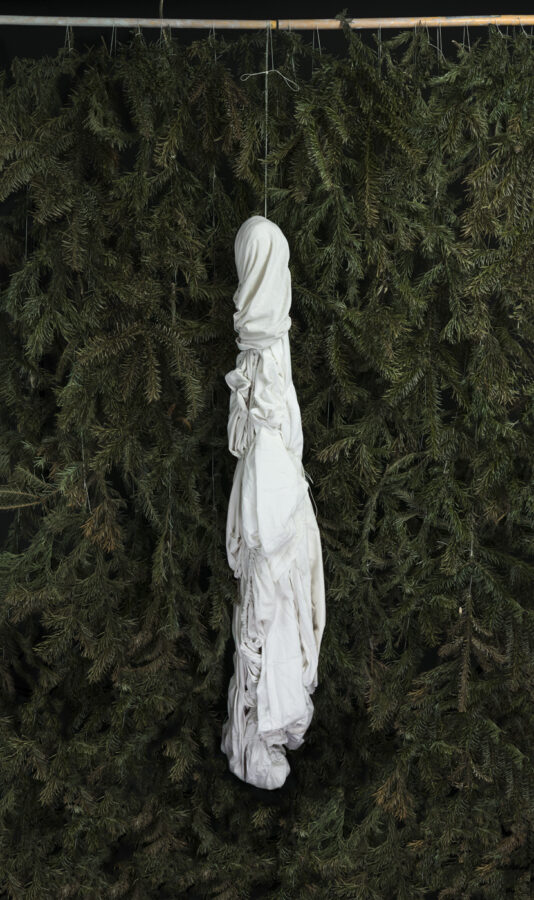
I have a memory in my head, a piece of information read in a mini-brochure on Polish manor houses and palaces of the nobility, which stood on the shelf in my mother’s house. For important celebrations that took place outside (probably weddings) the impoverished nobility would cover the damaged walls with spruce branches, so as to at least temporarily cover the dilapidated building. The worn manor houses would transform into bristly green hybrids, only to return to flat daily life after a few weeks.
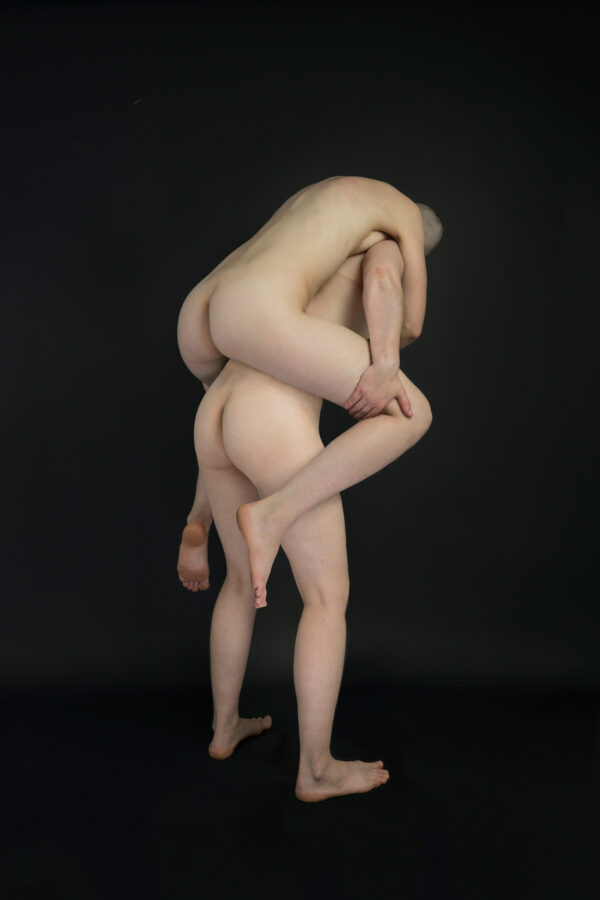
At the end of the spruce alley, leading up to the White Gate, where the White Lady would emerge from under the bridge and ring the bells at midnight so that all the crows would wake in the spruces (later people would say that it was Konopnicka piggybacking on Dulębianka’s shoulders, that they would cover themselves with a sheet, they had a bell hanging up on an oak tree, and they would ring it, not as much to keep up the fable, but to scare away the manor flower and vegetable thieves) (…). 8
(…)
They look – the maids sit in a circle
(Bindweed twining over them).
Each in white dress,
Each with red hat
Each has golden plaits,
Each with needle-work in her hand
And works, dilligent, on the same thing,
As their Madame Overseer.
The boys take a bow,
Eyes to the left, noses to the right
As is proper for the honour
of youth raised in the forest
And the eldest bravely says,
“Let me introduce you,
This is our guest, little Janek,
These – the five Berry Maids.”
And from one word to another,
conversation started!
How the maids are orphaned
in the care of their aunt, Madame Berry;
What news there are in the forest
Siskin quarrels with his wife,
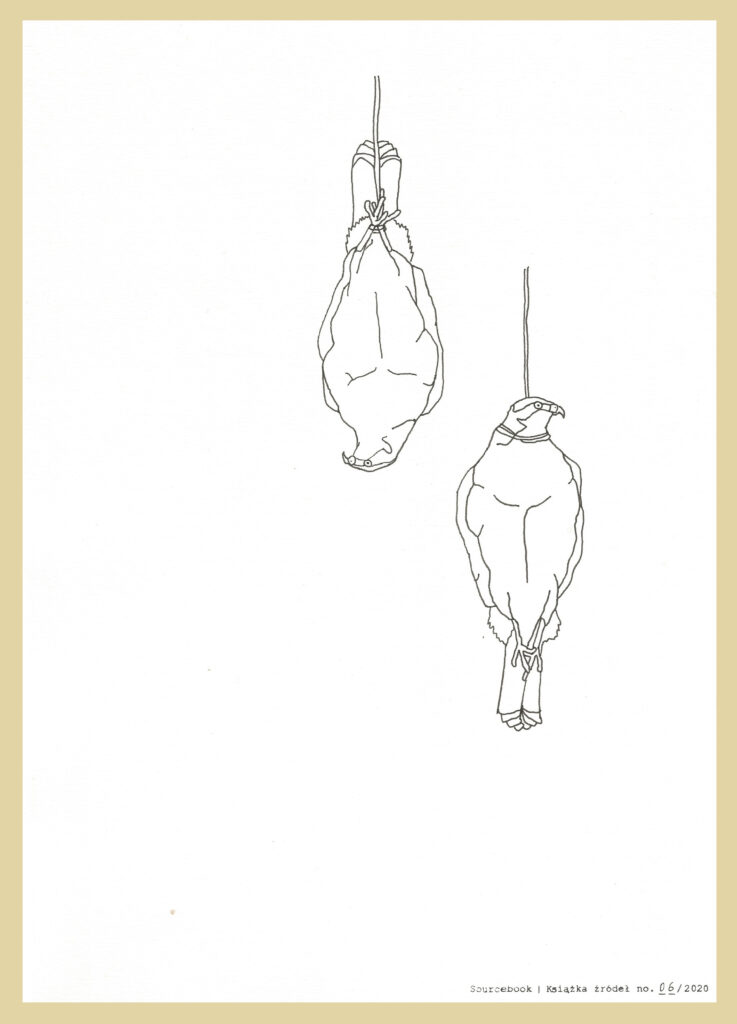
Hawk was hanged,
For he stole the thrushes’ young;
Hoopoe does mischief
How the moon shines at night,
with its golden ray
Turning the maids’ hair gold;
How they bathe in drops of dew
(…). 9
Reading this as an adult, I wonder why Konopnicka had to hang the hawk? Why this lone act of violence happens in this forest land? Human laws superimposed on nature’s laws, the forest kingdom reminding that the boundary cannot be crossed. Threat to children must end with punishment, after all, children cannot keep being stolen. Why hang hawks in a country that venerates eagles?
I read:
For a long time it was considered a pest by hunters, pigeon breeders and farmers. Mass culture also had a negative impact on its numbers. During the period of the People’s Republic of Poland in animated features, such as »Przygod kilka wróbla Ćwirka« (A few adventures of Tweet the Sparrow), it was demonized, with the creators presenting it as a cruel, crafty villain, living to harm its usually weakened and defenseless victims. This opinion was transferred to the countryside community, where it was ascribed the worst possible features, and blamed for considerable losses in farm birds and wild game. There are known causes when countryside dwellers would look for hawk nests in the forests, and then they would destroy the eggs found in them, kill the chicks and even adult birds trying to protect their young. 10
In her diaries, Romana Pachucka wrote a fragment that was not printed when they came to be published:
At that time, I knew three couples of women: inseparable friends: I Paulina Kuczalska-Reinschmit and Józefa Bojanowska, II Maria Konopnicka and Maria Dulębianka, III Helena Weychert and Maria Rodziewiczówna. In each of these pairs, one would masculinise herself outwardly. 11
Maria Rodziewiczówna was born at an estate near Grodno in 1864; her parents were exiled to Siberia for helping the January Uprising fighters, and when they manage to come back, as a result of an amnesty, they move together to the inherited estate of Hruszowa in Polesia.
At 17, she pays off her sister and brother and begins to run the household on her own; she cuts her hair and, in a short skirt and male jacket, she takes care of the estate management. She begins to write short stories and novels which quickly become popular; she publishes her first texts under the male pen name “Mario”. The books start to be one of her sources of income, so she writes fast and a lot. She never marries.
It is difficult to establish a precise date of when the first woman moved in with Rodziewiczówna, but it is known that it was Helena Weychert, with whom they worked together in the Society of Women Land Owners (…) 12
Weychert lived in Hruszowa for several years. Then she moved to Warsaw; there, together with the writer, they bought an apartment on Bracka Street, and they also purchased together a small estate near Falenica, called Wyraj. It is not known what caused the move, perhaps the enterprising Weychert was not very fond of the atmosphere of the Borderland wilderness (…). Despite this, Maria and Helena stayed in touch until the end of their lives, although in 1919 Weychert’s place at the writer’s estate was taken by another woman, introduced as a distant relative – Jadwiga Skirmunttówna.
‚From the first, Rodziewiczówna wanted me to have a very clear position as the lady of the house, so I gradually took over everything connected with that position: the house and the female household; she left the business issues and the male part of the household to herself.‘ The decision to live together was made after several years of close acquaintance. Skirmunttówna wrote about it in the following words: ‚And thus our life together, lovely life in Hruszowa started. Rodziewiczówna and I decided that the project of creating a separate place for me no longer has a point; these were post-war times, with no safety, we have lived together through so many difficult moments, we feel good together, so her house should be my house. And that was the end of it. I never regretted it – and our Wahlversanddtschaft never gave me a moment of disappointment.‘ 13
In time, a division emerged in Rodziewiczówna’s life: she spent the three winter months with Helena Weychert in Warsaw, and the remaining time in Hruszowa with Jadwiga Skirmunttówna.
Pachucka characterized Weychert thusly:
The most similar to the male kind, not only due to her clothing, but also due to her boyish body, which she additionally emphasized by a male haircut, with only small fringe over her forehead, an English costume, a white vest, a high white collar and a long tie. 14
The issue of the Rodziewiczówna’s appearance was so uncomfortable for her scholars that even the attempts at studying her literary body of work were made difficult by it. Tomasik describes how the author of her only biography avoids showing Rodziewiczówna’s appearance:
In the first edition of Głuszenia’s biography there are thirty four pictures, among them several houses, a plethora of landscapes, cottage interiors, even a picture of “playing a tuba”. There is one (!) portrait of the book’s heroine, in addition there are several reproductions of documents and group pictures, in which, due to their size and quality, the author of »Wrzos« (»The Heather«) is poorly visible. A still more amusing situation occurred when the second edition of this book was published. The cover contained a drawing based on Rodziewiczówna’s most famous picture. Only her clothing was substituted – instead of a tie, a shirt and a dress jacket, a patterned dress was drawn; her hair was lengthened. 15
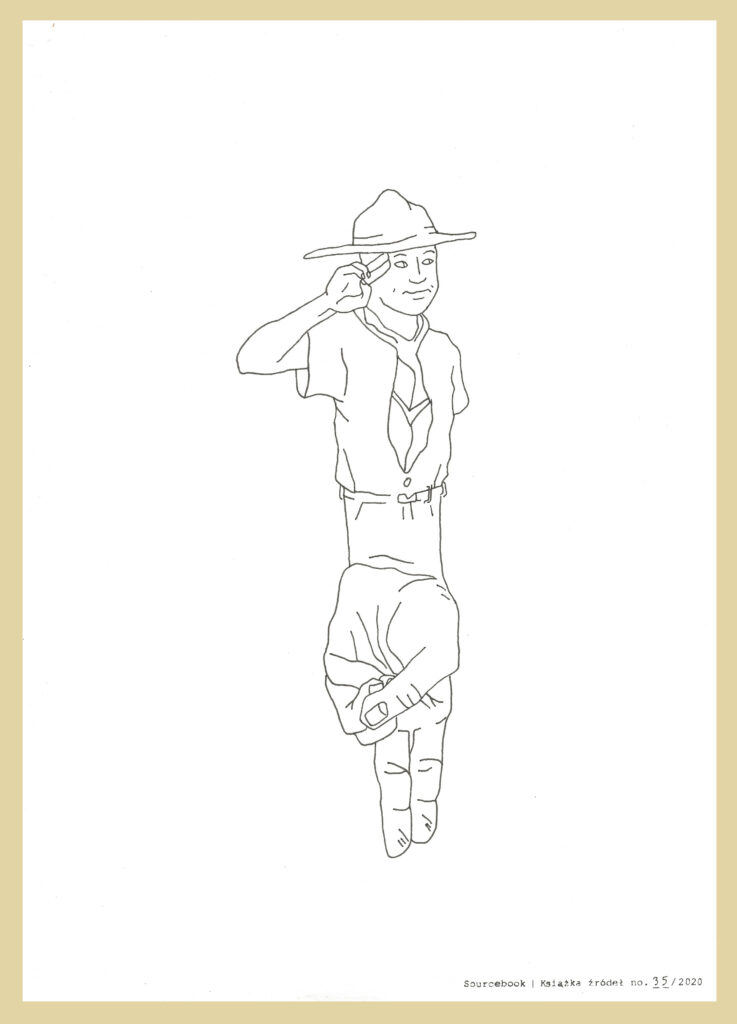
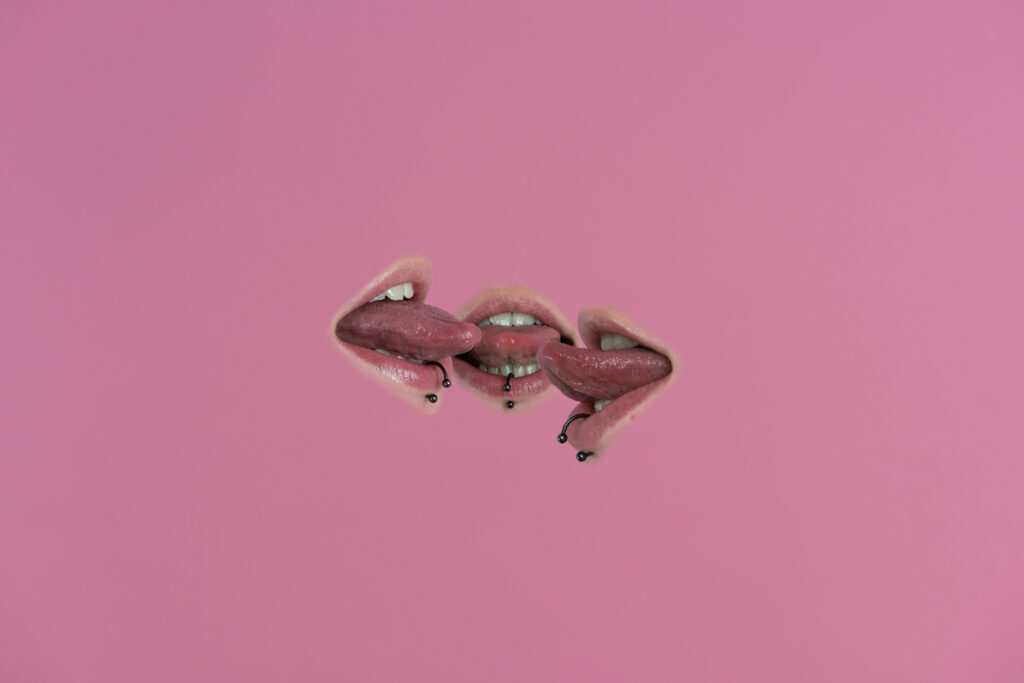
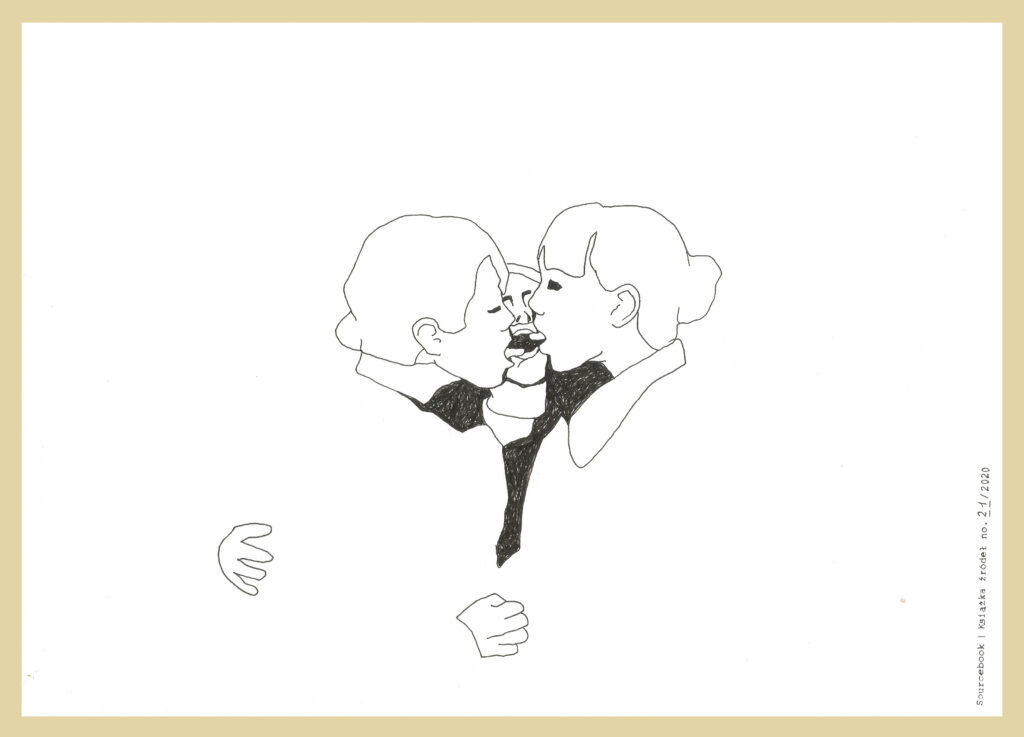
In 1920, Rodziewiczówna writes Lato leśnych ludzi (The Summer of Forest People), a novel inspired by the spirit of scouting which praises the power and beauty of nature. Only boys can have such adventures, so three friends become the protagonists of her book.
The eldest, chosen to be their leader and commander, was crafty, (…) fast in carrying out his intentions, scientifically familiar and acquainted with nature. He had a lot of land, and among this land, there was marshland and forests. (…) There, in the depths of these secret lands, hidden as a nest, one spring there came to be a lonely cottage. (…) Wild vine and roses covered the walls, the cottage melted, grew into the closely surrounding forest. The Forest People called it their “vyraj”, their paradise.
Over his life, the leader lost his nearest kin and had no family. Yet, his house was filled with godly inhabitants, who were governed and taken care of by his companion, whom he had brought up for himself and made in his spirit. In the particular forest dialect he bore the nickname of Wolverine, and the other was called Panther. The youngest of the three, he was all composed of steel muscle, pliant, agile, he also had the rapacity and wildness of his namesake.
And then those two were companied by a third, who came to be called Crane. He retained the purest soul in life. He was a personification of goodness, gentleness, and inner sunny weather. He found joy in the forest life as only youth can find it. (…)
And were those three, complementing each other, constant summer settlers in the wilderness, creators of this primeval existence, they constituted one with the primeval forest, they lived within it as all creation that came there with spring for vyraj, and left in the autumn. 16
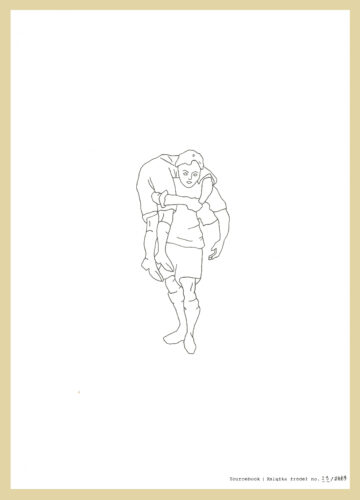
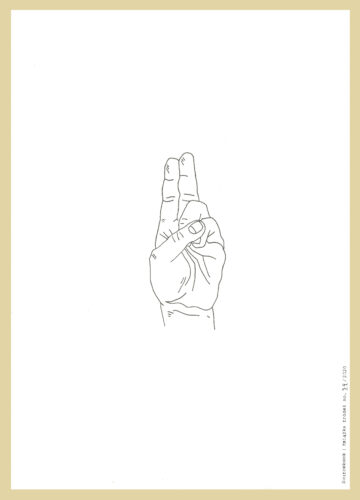
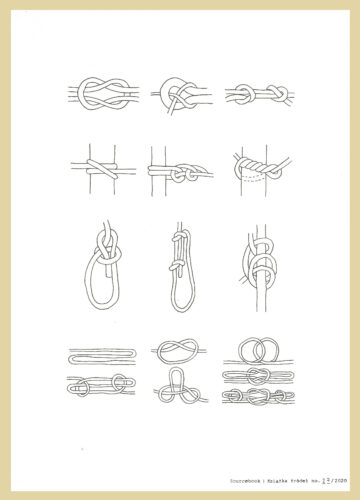
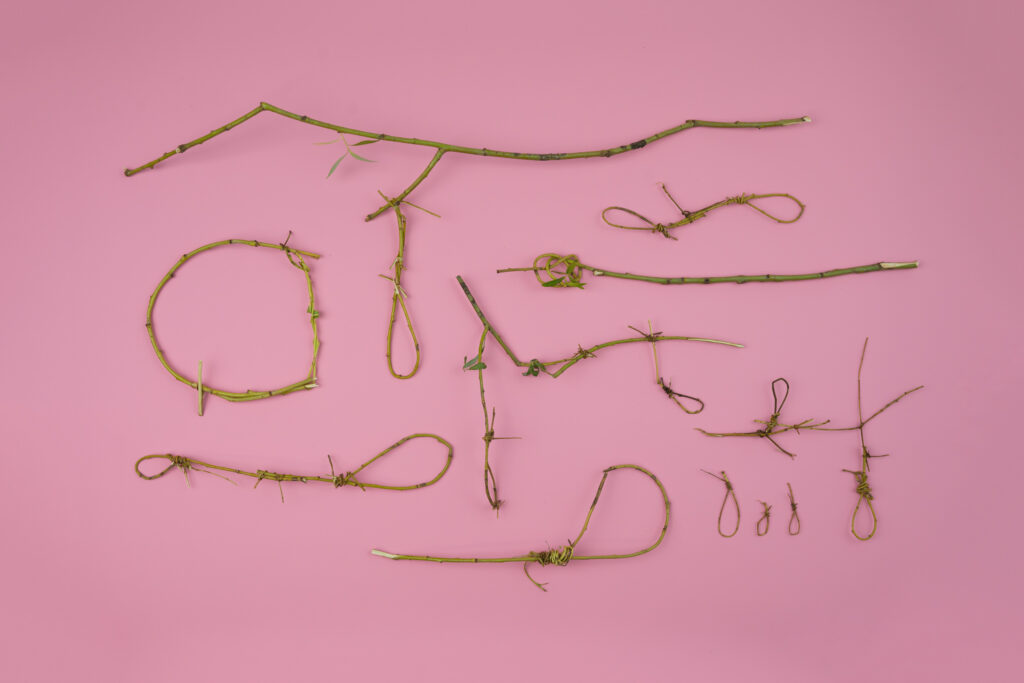
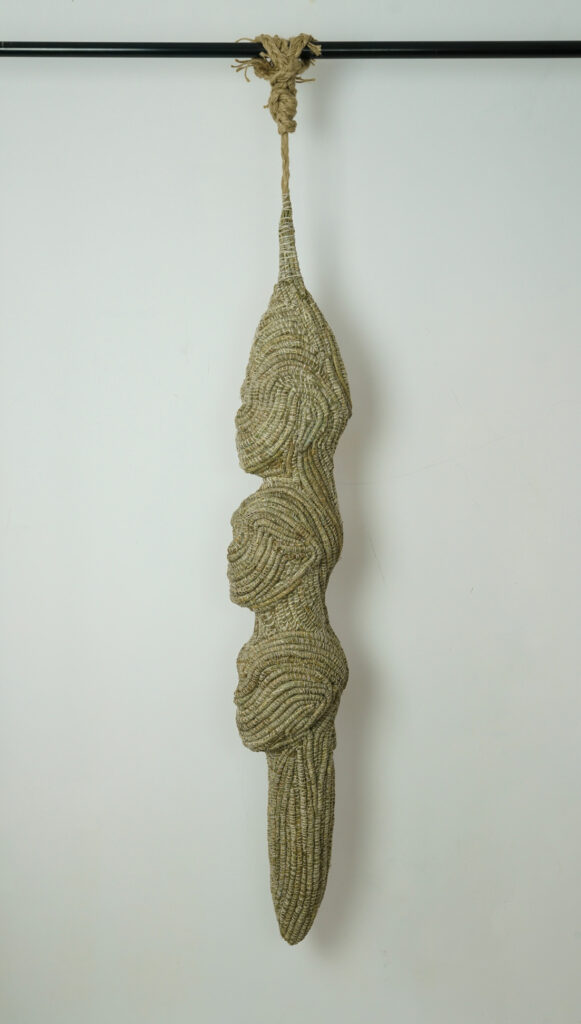
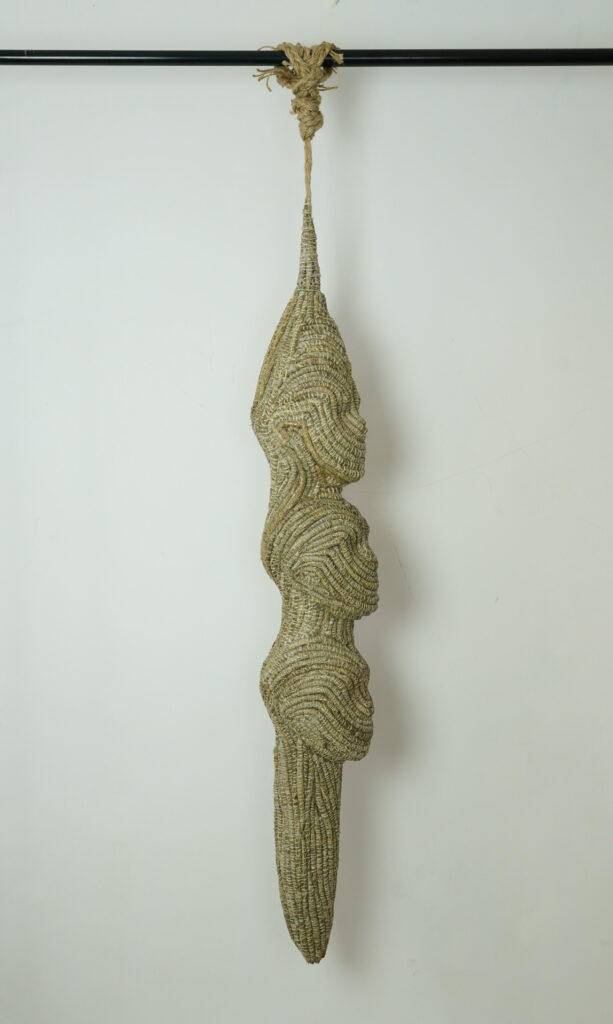
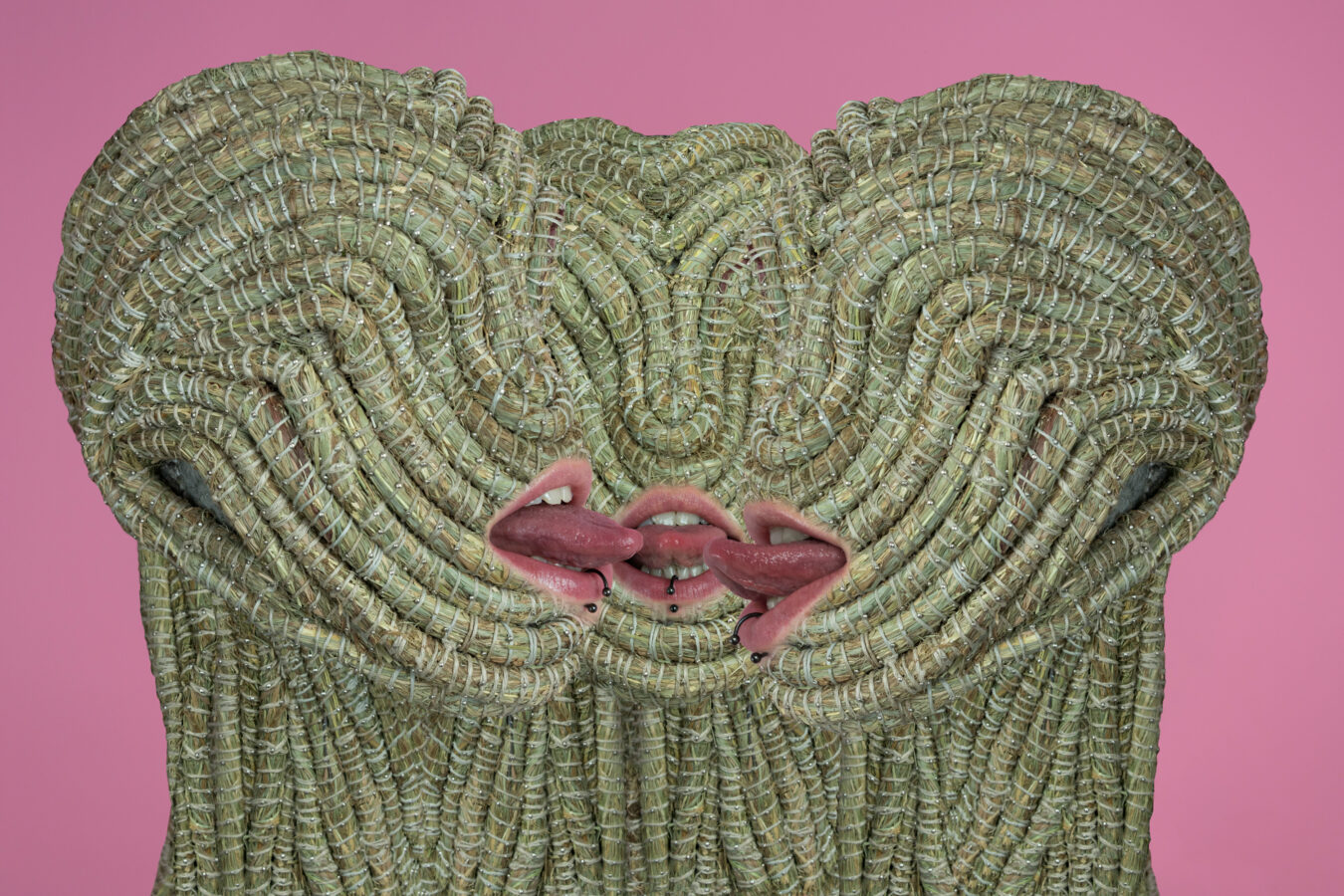
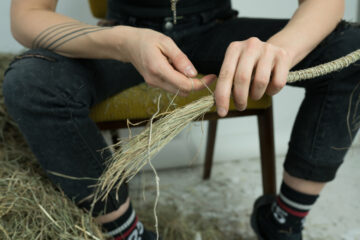
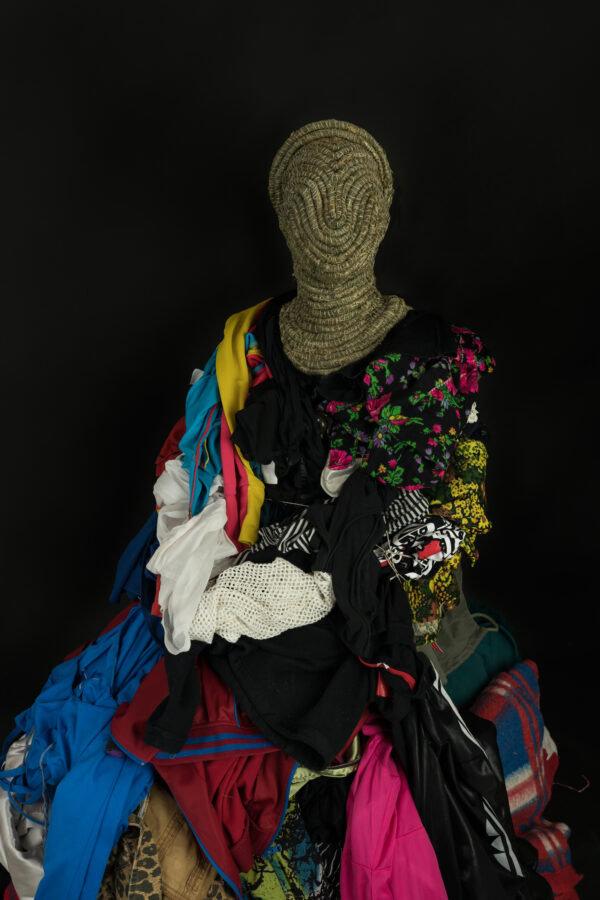
In December last year I went to conduct workshops in Katowice. The market square was filled with three-dimensional Christmas scenes, each of them moving, singing songs, glimmering with light and put on neverending loop. There were also a few motionless mangers, one of which had been made out of traditional straw weave, Madonna of the weave, and around her all those people, animals, horses and sheep in the shade of late August, the harvest and bales of pressed straw. In such folk weaving, one uses dried ears of grains, long and hard, preferably rye or oat, and bunches are wrapped together with jute string.
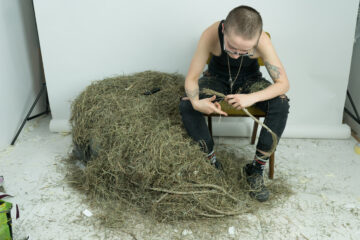
I decided to learn weaving, starting with the way animals are woven, but using dried meadow for my work: mixed species of plants, more fragile, greenish (less monoculture, more weeds). And then the pandemic began, so I created a temporary workroom-shed in my apartment, I bought 25 kilos of straw perfect for rabbits (a mix of grasses, dried meadow without pesticides), and for the two months of self-isolation straw was everywhere, the entire apartment smelled of hay, and I wove my dried straw totems.
Żmichowska is born in 1819 in Podlasie, in the house of indigent nobility; she first ends up at a finishing school in Warsaw, whose aim is to educate “good wives and diligent housewives”, afterwards she goes to the famous School for Governesses – the highest possible form of education for women in that period. She finishes her education at 16, and from then on, she works as a teacher in houses of landed gentry and nobility, she begins to write and at 27, she writes her most famous novel, Poganka (The Pagan – literally: The Female Pagan).
However, today she is mostly remembered not due to her body of work, but because she was the founder of the first feminist group of women in the Polish territory – whom Żmichowska called The (Women) Enthusiasts or The (Women) Cheerers.
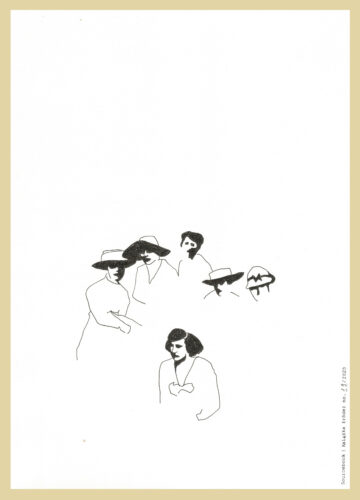
The Cheerers write hundreds of letters to each other, frequently these are group letters, not written to a single person.
Directed to one addressee, they were intended for all spending time in the given area, fragments transcribed from one letter were sent on to other people, confirming the formula of community appearing so frequently in Żmichowska’s correspondence: “we all” 17
The letters were written in the tone, as one Żmichowska scholar put it, of “friendship-love”: “I kiss your blue-grey bright eyes and remember to tell Tekla authentically that I also kiss her black hair” 18
“Sistering” – according to Żmichowska’s expression – is considered to be the most perfect expression of affections. At a certain point of the Enthusiasts’ prime, this society resembles a kind of a hive in which Gabryella is the queen bee69. For you will make love to your friends so much that there is no love left for your husbands. 19
says a husband of one Enthusiast about them.
Her novels are also created under the influence of the women she meets – in his introduction to the first book edition of the novel Boy-Żeleński shows how Żmichowska’s most famous text, The Pagan, was written due to her broken heart after the relationship with Paulina Zbyszewska ended. In the book, Zbyszewska is transformed into the eponymous “Pagan”, and Żmichowska places herself in the persona of Benjamin (after all, only boys can have such adventures).
In this beautiful world of ours,
This one and only, the beloved,
One that cheats, one that lies
That amuses, makes one cry
That kisses, that fights,
That carouses, that grouses…
Well, can you believe that:
I was bored in this world. (…) 20
In 1849, she ends up in prison for unproven activities in conspiracy; the police takes over her correspondence with Zbyszewska and arrests them both for democratic comments. She leaves prison after a year and a half, and the officials make her live in Lublin, where she remains under the supervision of police for several years. When finally, after 8 years, she manages to come back to Warsaw, she starts a kind of a free university for women in her humble apartment, where the Enthusiasts come to meet.
She gives up writing for many years, and returns to it only at the point of her death. The letters she writes to the Enthusiasts take the place of literature for her; the exchange of letters with Bibianna Moraczewska lasts 32 years, with Wanda Grabowska – over a dozen years, the correspondence is so vast that many years after her death, these letters will be published in 5 thick volumes.
This is how Boy describes Narcyza in his foreword to The Pagan:
In that era, among us, Żmichowska was so unique that she was almost a monster. (…) For the white, she was red, for the red – she was white; for some she was too much of a poet, for others – too much of a Positivist. 21
In her letters, Żmichowska writes: When I smoked my first cigar, there was crying in the house, and when I climbed a horse, there was crying and teeth grinding, of which you probably know nothing. And, further on: So he came and scolded me sternly, like a military man, that I printed such things; and I said: Colonel, if I could think such things, I could print them. 22
2. M. Konopnicka, Na jagody, p. 10.
5. K. Tomasik, Homobiografie [Homobiographies], Wydawnictwo Krytyki Politycznej, 2nd Edition, Warszawa 2014, p. 37.
6. M. Dulębianka, The Political Position of a Woman, p. 13.
7. M. Dulębianka, p. 18.
8. K. Tomasik, Homobiografie, p. 40.
9. M. Konopnicka, Na jagody! Książeczka leśna [Picking Blueberries. A Little Book of Forest], Nakład Gebethnera i Wolff, Warszawa, 1924.
10. http://natura.wm.pl/zwierzeta/285/Jastrzab-zwyczajny-jastrzab-jastrzab-golebiarz, access 07.05.2020.
11. K. Tomasik, Homobiografie, p 38.
12. K. Tomasik, Homobiografie, p 60
13. K. Tomasik, Homobiografie, p. 62.
14. K. Tomasik, Homobiografie, p. 62.
15. K. Tomasik, Homobiografie, p. 60.
16. M. Rodziewiczówna, Lato leśnych ludzi [The Summer of Forest People], Wydawnictwo Polskie R. Wegnera, Poznań 1920, p. 7.
17. B. Zwolińska, O konwencji i formach grzecznościowych w listach Narcyzy Żmichowskiej (w świetle przyjmowanej przez pisarkę epistolarnej roli przyjaźni) [On the conventions and courtesy forms in Narcyza Żmichowska’s letters in the light of epistolary role of friendship as approached by the writer], NAPIS seria X, Wydawnictwo DiG, Warszawa 2004, p. 158.
18. M. Woźniakowicz-Dziadocz, Dzieje przyjaźni entuzjastek w świetle listów Narcyzy Żmichowskiej do Bibianny Moraczewskiej [The History of Friendships of the Enthusiasts in the light of Narcyza Żmichowska’s letters to Bibianna Moraczewska], Annales UMCS, vol. XX/XXI, Lublin 2002/2003, p. 2.
19. T. Boy-Żeleński, Wstęp do Poganki [Introduction to The Pagan], in: Narcyza Żmichowska, Poganka [The Pagan], Wydawnictwo Biblioteki Narodowej, Kraków 1930, p. 8.
20. Narcyza Żmichowska, Poganka [The Pagan], Wydawnictwo Biblioteki Narodowej, Kraków 1930,p. 112.
21. T. Boy-Żeleński, Wstęp do Poganki [Introduction to The Pagan], in: Narcyza Żmichowska, Poganka [The Pagan], Wydawnictwo Biblioteki Narodowej, Kraków 1930, p. 7.
22. N. Żmichowska, Czy to powieść? [Is it a novel?], Dom Książki Polskiej Spółka Akcyjna, Warszawa 1929, p. 13.