



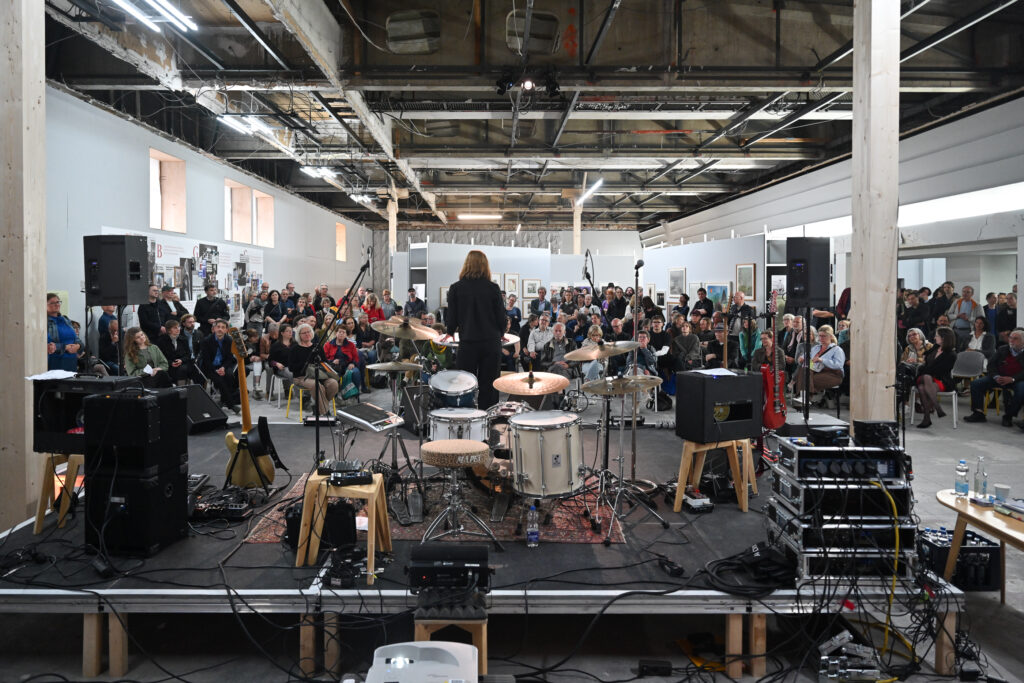
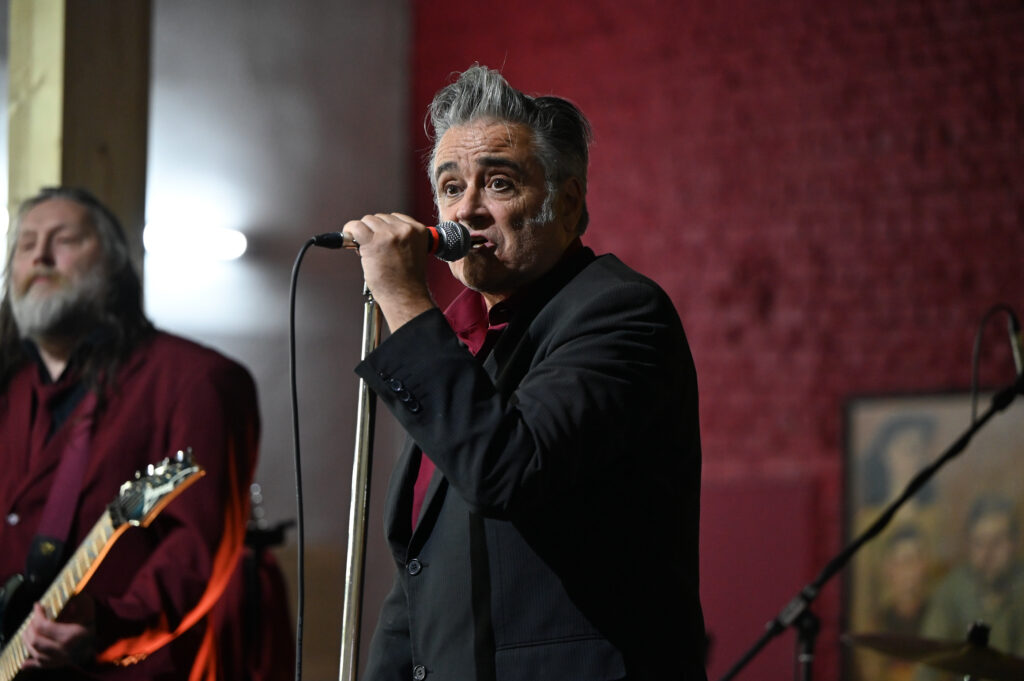
Karl-Heinz Adler, Walter Arnold, Bernd Bankroth, Falko Behrendt, Sibylle Bergemann, Christian Borchert, Anna Bromley, Klaus Dennhardt, Reinhard Dietrich, Michael Freudenberg, Freunde der italienischen Oper, Manuel Frolik, Manuel Frolik, Hubertus Giebe, Hermann Glöckner, Dieter Goltzsche, Eberhard Göschel, Hans-Hendrik Grimmling, Herta Günther, Angela Hampel, Andreas Hegewald, Christian Heinze, Christine Heitmann, Ernst Hirsch / Gartenfest Heinz Wittig, Olaf Holzapfel, Wilhelm Klotzek, Friedrich Kracht, Sylvie Kürsten, Gerda Lepke, Werner Lieberknecht, Peter Makolies, Martin Maleschka, Yana Milev, Henrike Naumann, Helga Paris, A. R. Penck, Johannes Peschel, David Polzin, Núria Quevedo, Günther Rechn, Gerhard Rommel, Jürgen Schieferdecker, Hanns Schimansky, Werner Schinko, Luise Schröder, Klaus Schwabe, Sabine Slatosch, Wolfgang Smy, Erika Stürmer-Alex, Ulrich Tarlatt, Alfred Thiele, Max Uhlig, Norbert Wagenbrett, Suse Weber, Claus Weidensdorfer, Horst Weisse, Olav Westphalen, Leoni Wirth, Karla Woisnitza, Ruth Wolf-Rehfeldt, Willy Wolff, Ulrich Wüst, Fotis Zaprasis
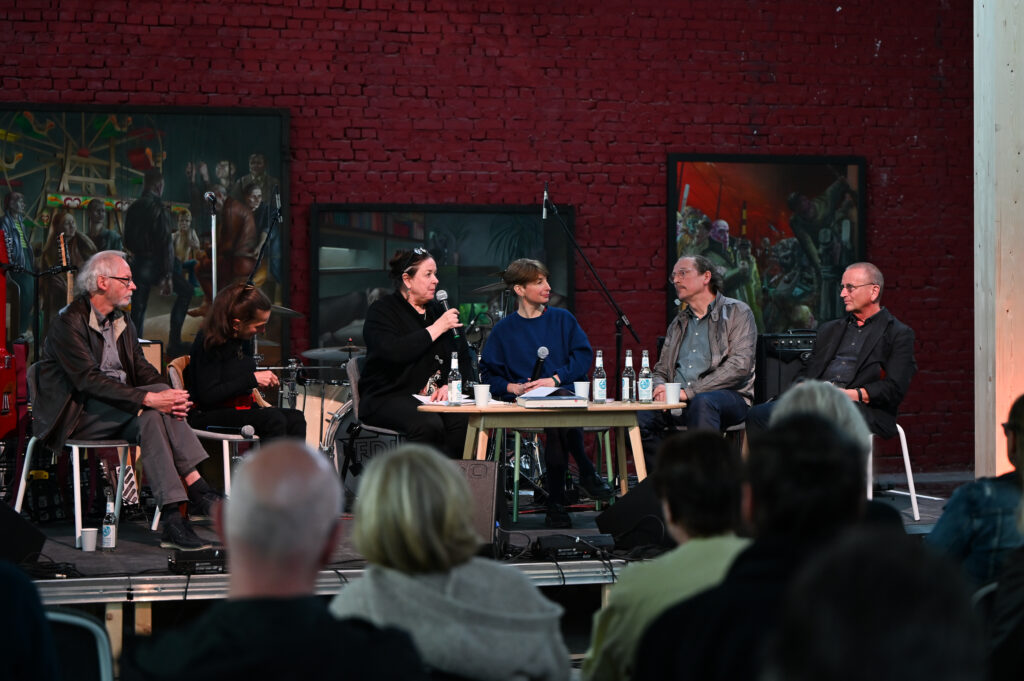
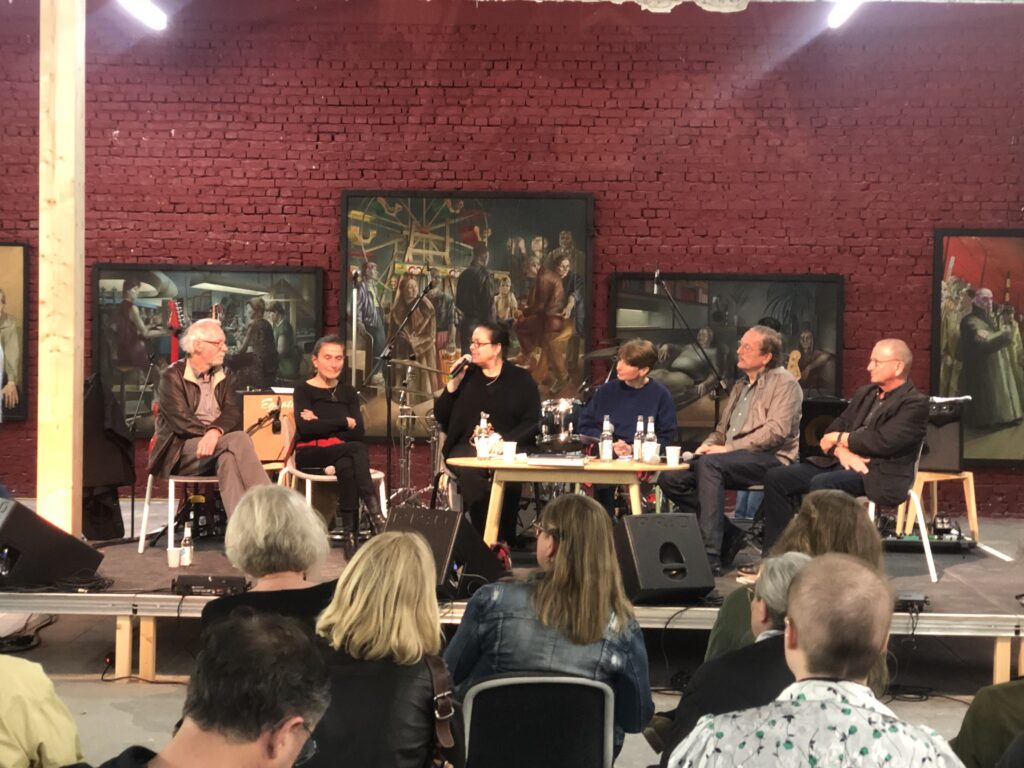
With an artistic interview project by Sylvie Kürsten featuring Susanne Altmann, Michael Freudenberg, Hubertus Giebe, Prof. Dr Bernd Lindner, Yana Milev, Peter Segor and Sabine Slatosch
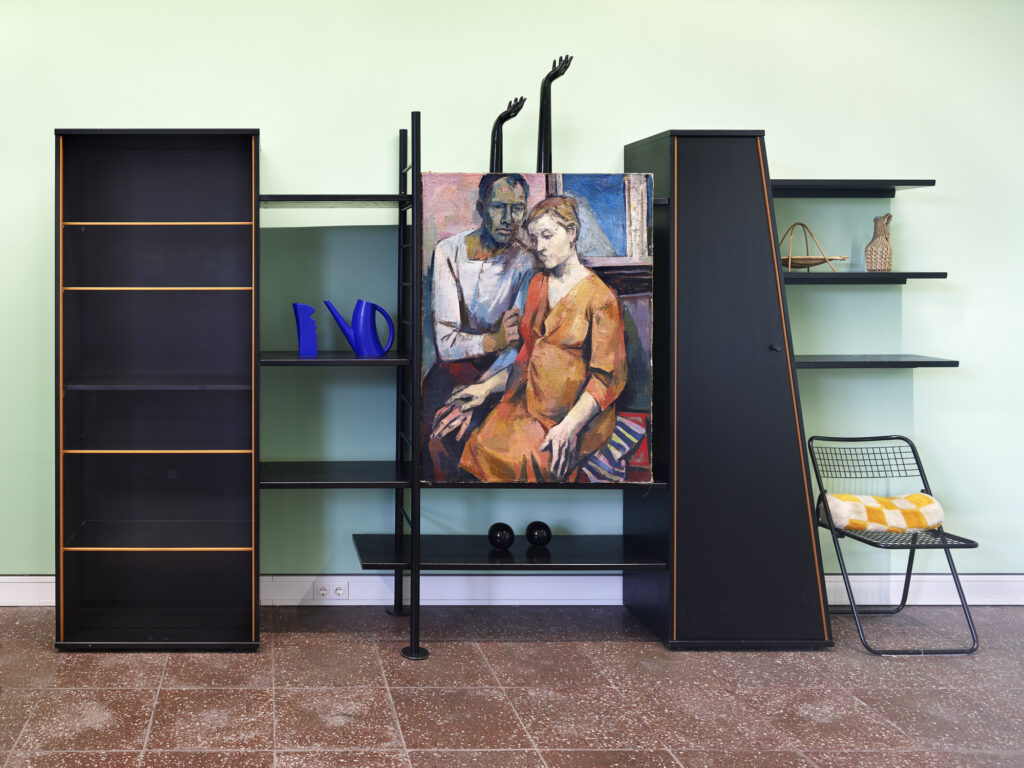
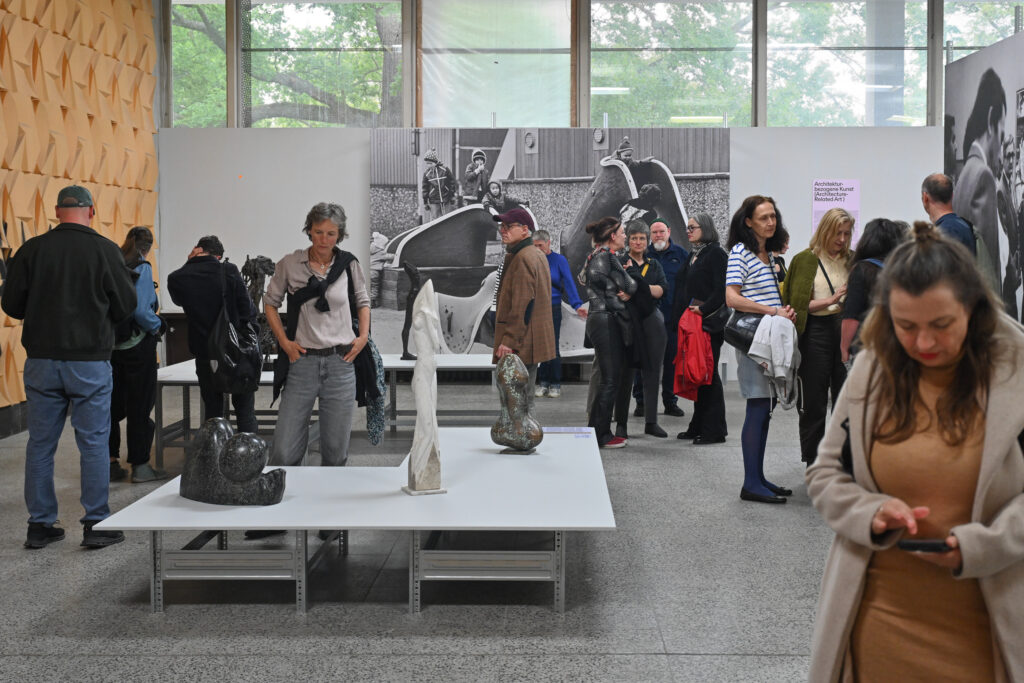
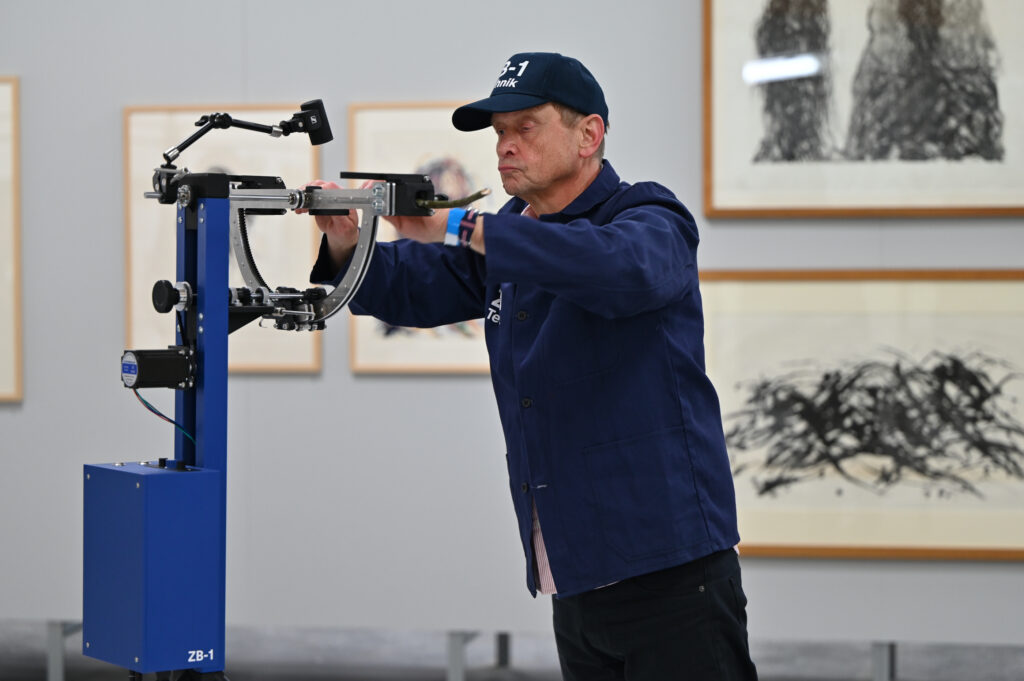
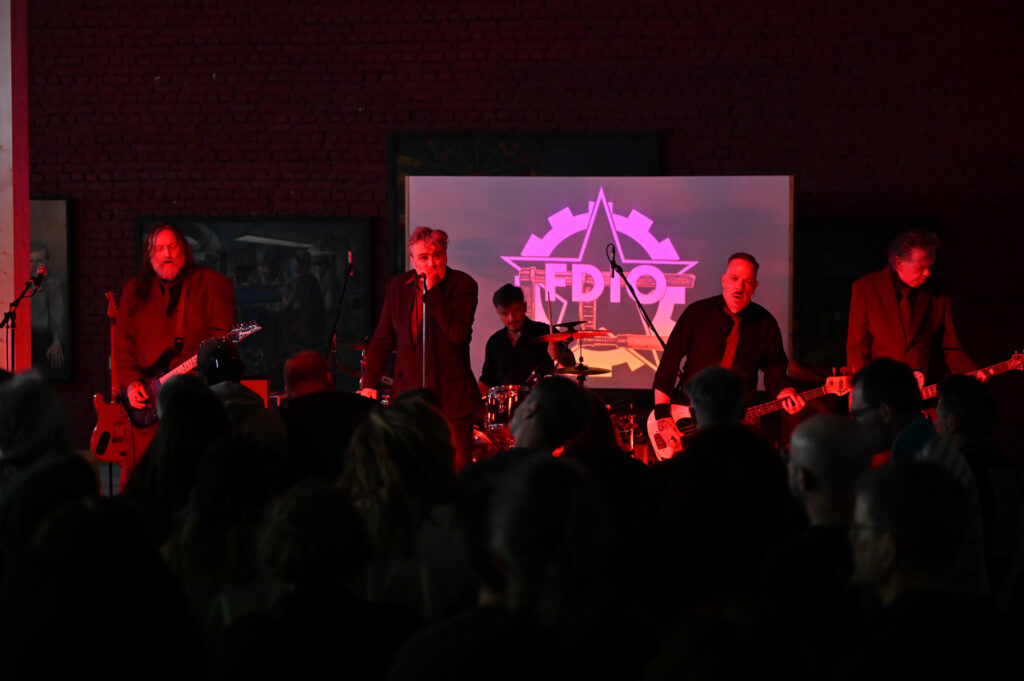
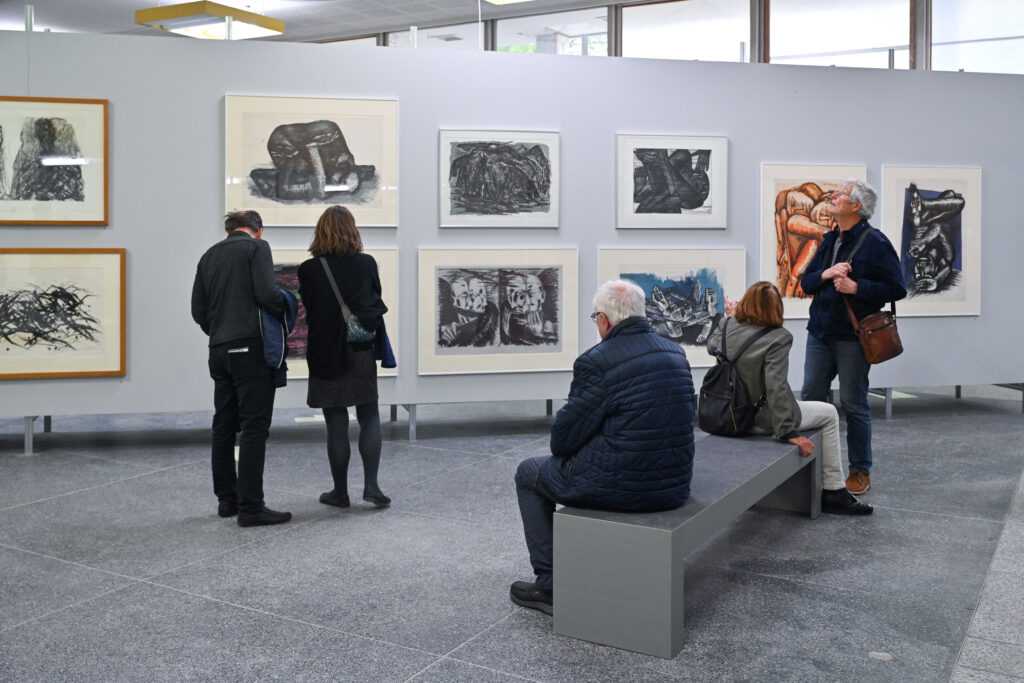
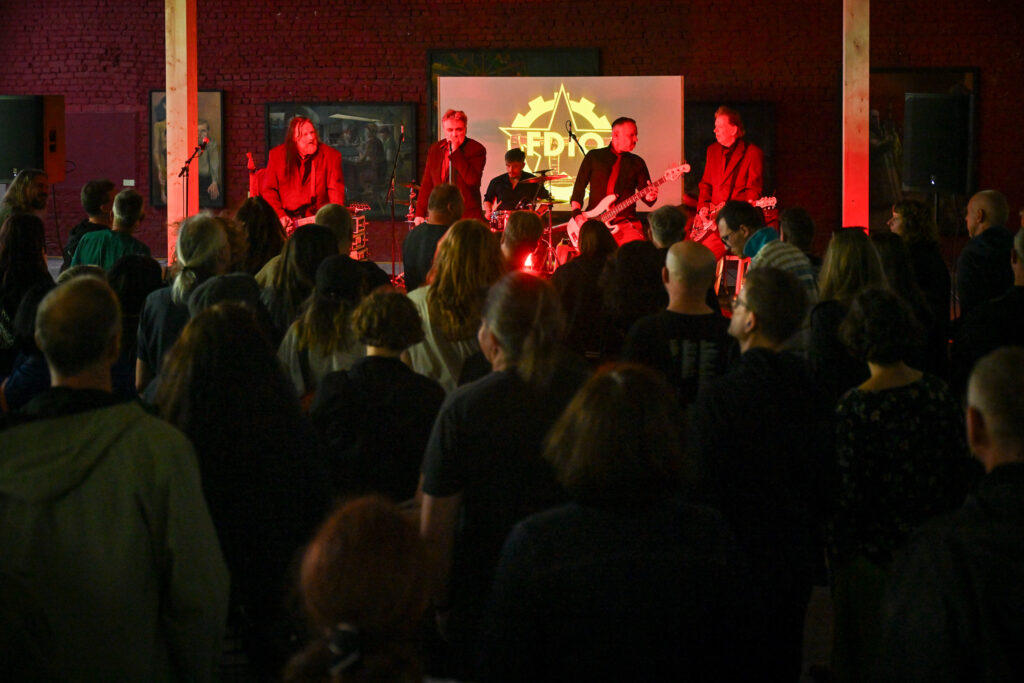
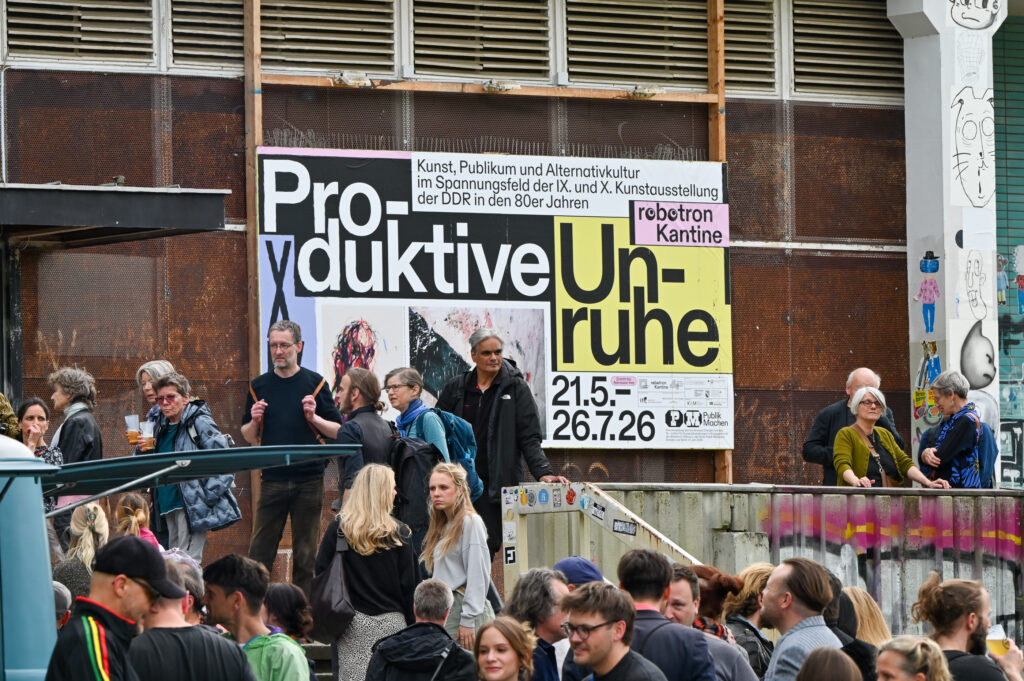
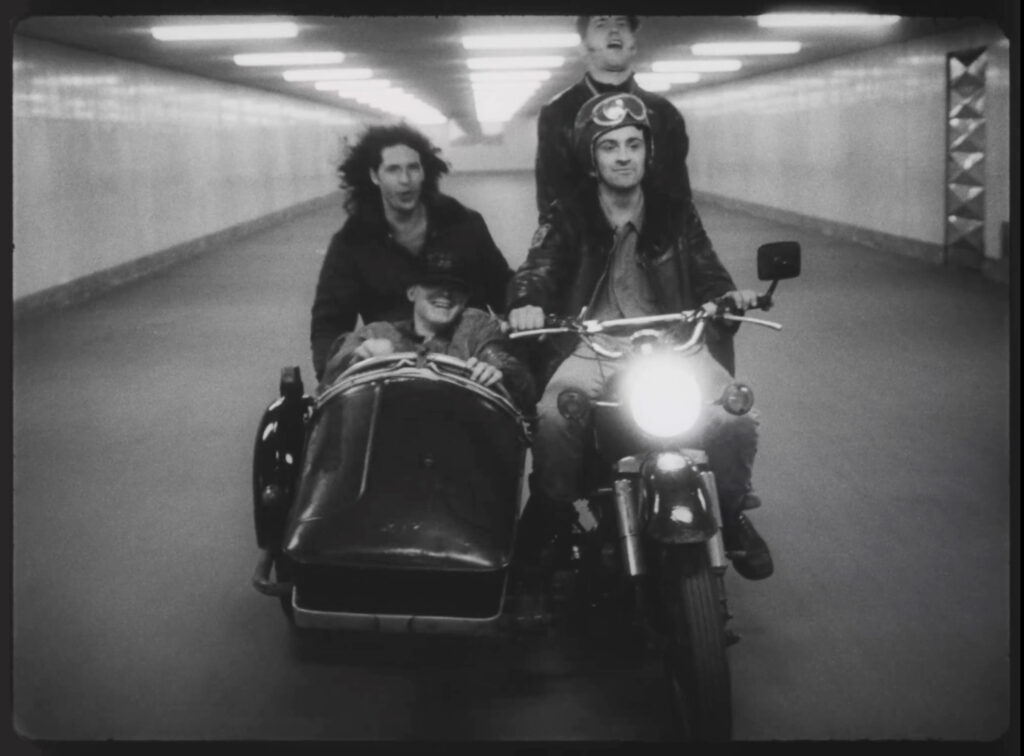
As in many places, the 1980s in Dresden were a turbulent and restless period, full of contradictions, conflicts and new beginnings. Which forms of artistic expression gained a foothold, and of which quality were the new relationships which emerged between the arts and their audience, both within and beyond state control? The exhibition Productive Unrest takes a closer look at selected works of art, photography and alternative culture from this period, which seem to resonate the emerging social changes. The 9th and 10th Art Exhibitions form the point of departure, the largest and most visited representative exhibitions of Art in the GDR, in which the immense diversity of artistic activity at the time was already reflected. The exhibit also features selected alternative practices in art and culture, which were at the time already establishing their own paths beyond state-controlled channels.
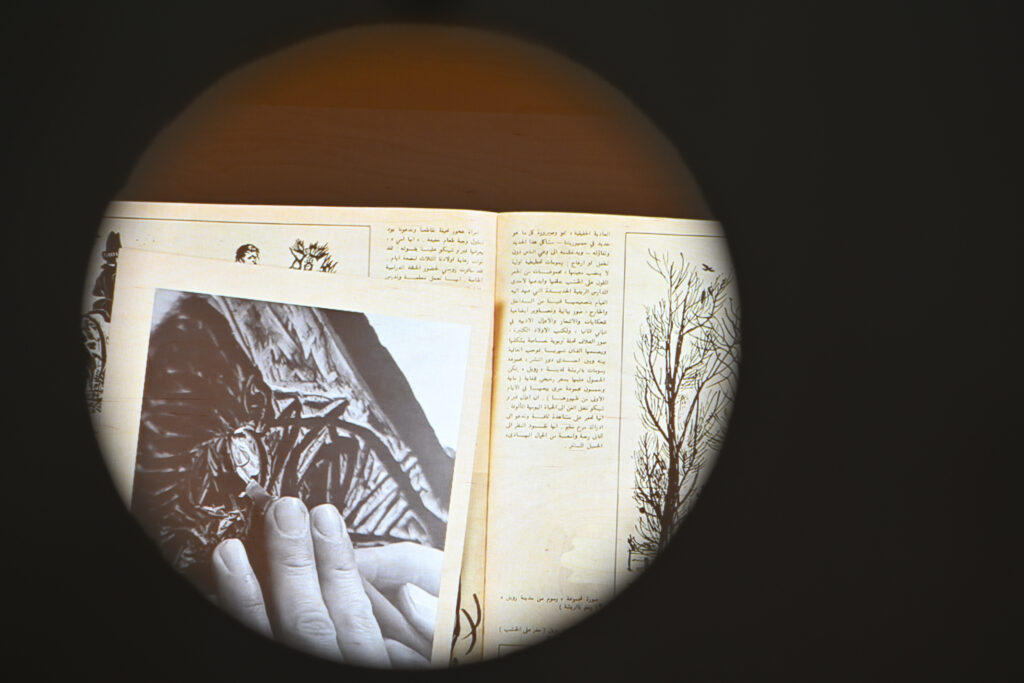
Developed by Kunsthaus Dresden and ifa –Institut für Auslandsbeziehungen, the exhibition offers insights to this unique period, drawing primarily on the graphic art collections of the Zentrum der Kunstausstellung der DDR (Centre for Art Exhibitions of the GDR, in short ZfK), which were transferred to the ifa in 1991 after the closing down of the ZfK. In the same year also Kunsthaus Dresden, the city’s gallery for contemporary art, was established as the successor institution to the former Dresden branch of the ZfK. A number of new artistic productions – some of which engage with the artists’ own family histories – are part of the dialogue between generations in this exhibition, which features works and loans from a total of more than 50 artists.
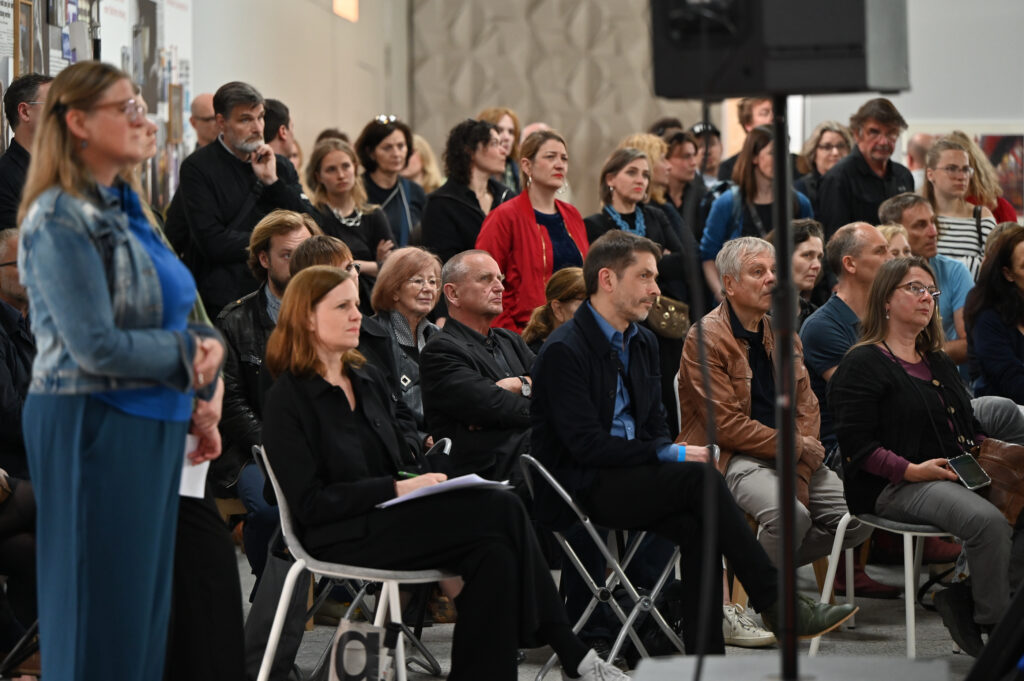
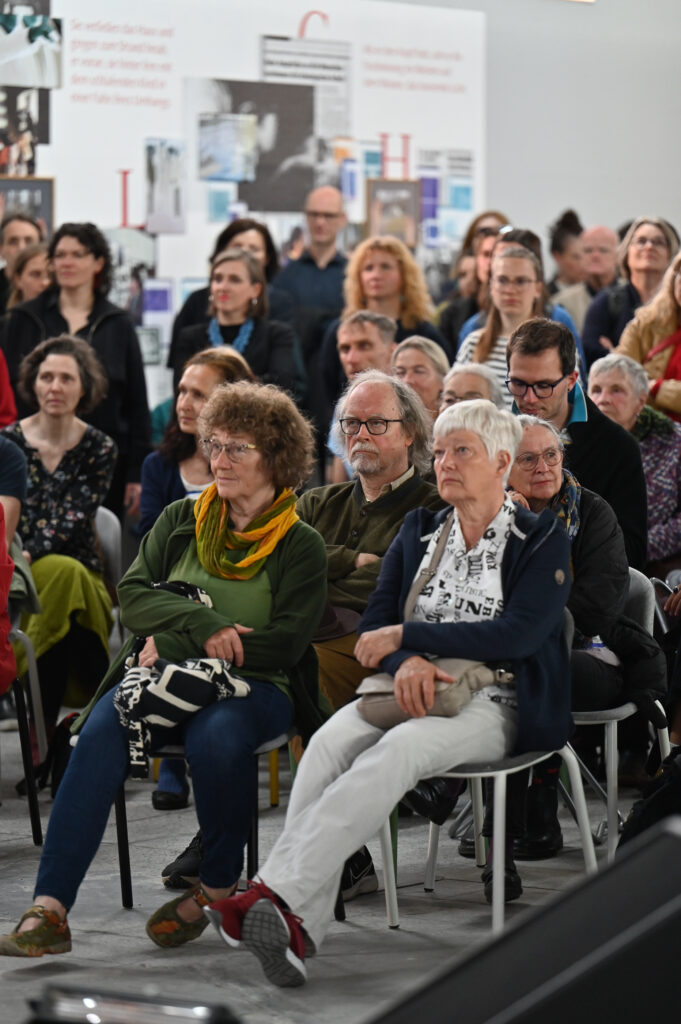
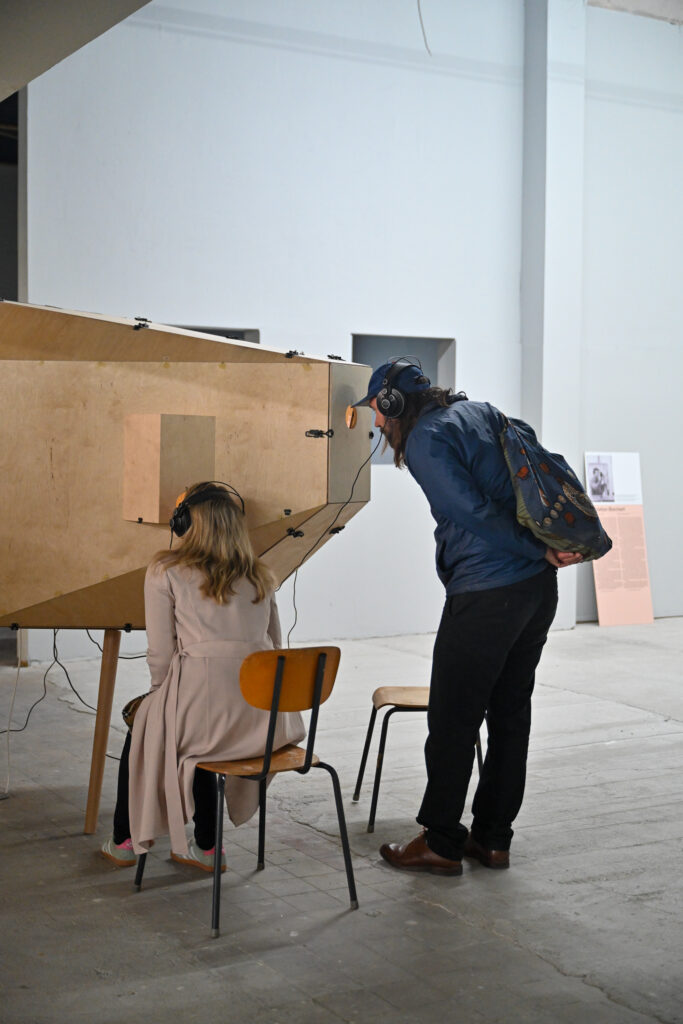
Furthermore, a reflection of the audience of that era, its interactions with art back then and today, and selected historical documents interweave perspectives of the present and the past, building a bridge to the people and the atmosphere of the 1980s in a country in unrest.
An exhibition by Kunsthaus Dresden and ifa – Institut für Auslandsbeziehungen, in cooperation with the Wüstenrot Foundation.
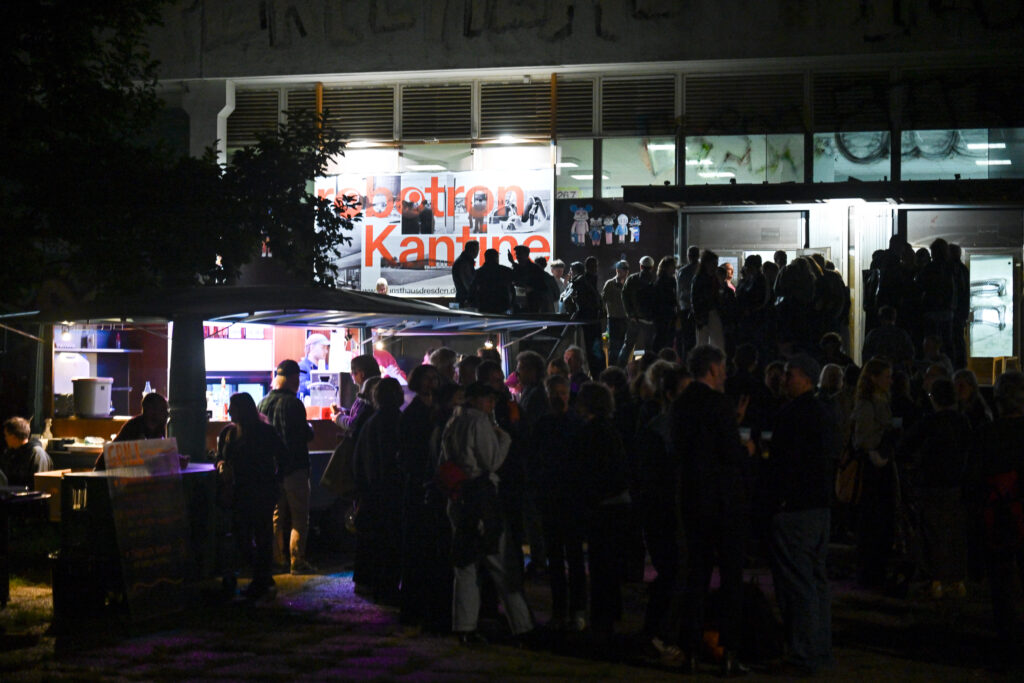
Robotron-Kantine, Lingnerallee at the skatepark, 01069 Dresden
Opening Hours
WED – FRI 4pm – 7pm
SAT & SUN 12pm – 6pm
Admission free
Supported by the Kunstfonds Bonn Foundation and the Federal Government Commissioner for Culture and the Media, the Cultural Foundation of the Free State of Saxony, the Volker Homann Foundation, and the Art and Music for Dresden Foundation.
Other partners include the Kunstfonds / Staatliche Kunstsammlungen Dresden and Art in Networks – a research project run by the Chair of Visual Studies and Art History at TU Dresden.
We would like to thank the SLUB – Deutsche Fotothek, the Collection of Albertinum / Staatliche Kunstsammlungen Dresden, Lindenau Museum Altenburg, Getty Research Institute in Los Angeles,
Stadtarchiv Dresden, Stiftung Plakat Ost and Galerie Himmel Dresden.
Curated by Susanne Weiß and Christiane Mennicke-Schwarz, with contributions by Sylvie Kürsten, Robert Thiele, Julianne Csapo, Lars Hiller, Laura Schulze. With thanks for valuable input and collaboration to: Silke Wagler, Prof. Dr. Bernd Lindner, Olaf Holzapfel, Luise Schröder. Archival work: Janine Wagler, Dr Swantje Greve. Exhibition design: lfm2 Leipzig.