Exhibition

Today 29. Aug – 8. Nov 2026

Was tun wir. Bilder in Zeiten zerfallender Gewissheiten.

Place: robotron-Kantine, Lingnerallee am Skatepark

One moment please,
the images are loading …

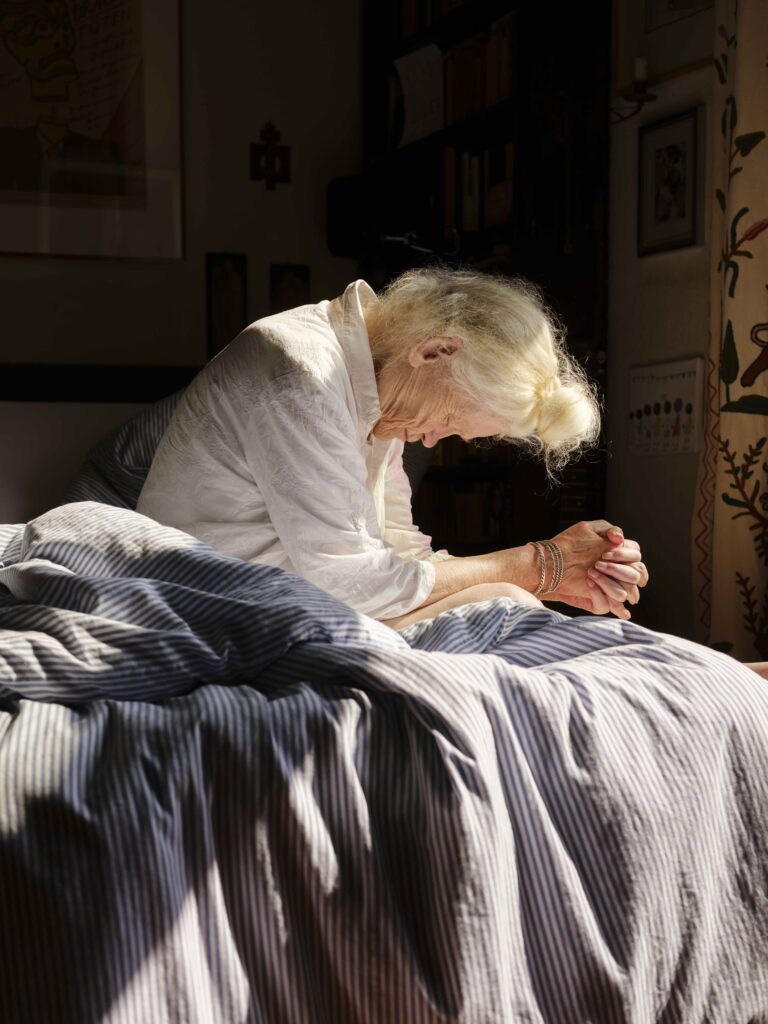
  • Nach den Bränden, Pacific Palisades, Los Angeles, USA, Winter 2025
    Nach den Bränden, Pacific Palisades, Los Angeles, USA, Winter 2025
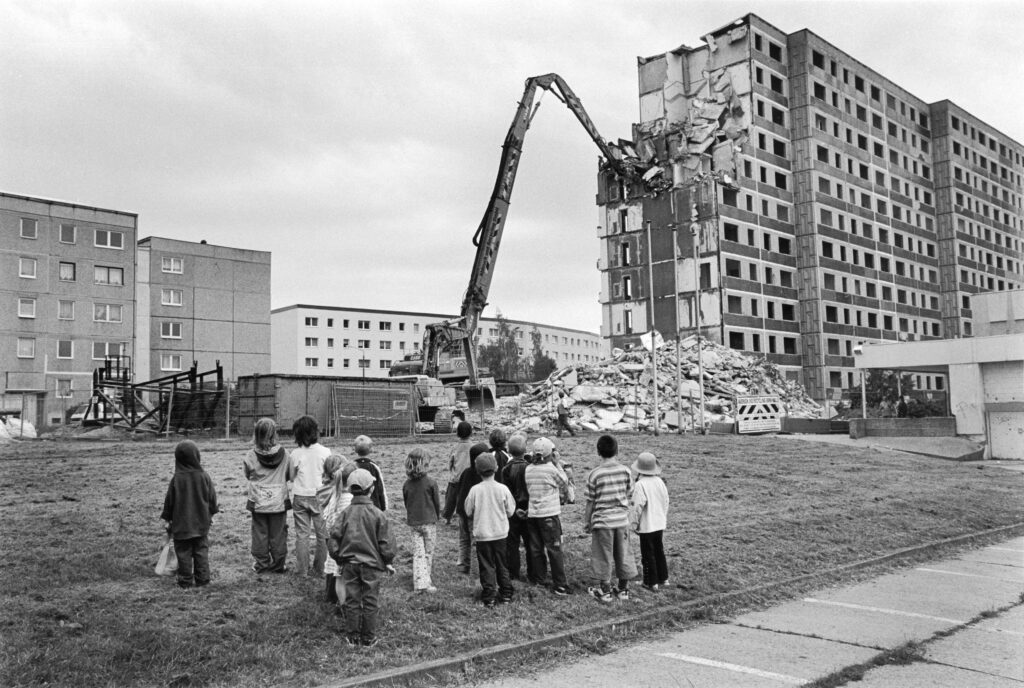
  • "Wiedersehen in Ha-Neu", Halle-Neustadt, Sachsen-Anhalt, Deutschland. Halle Neustadt- Einst Modellstadt der DDR, gegründet als „Stadt der Chemiearbeiter“ und Ikone des Städtebaus der 60er Jahre, vom Bauhaus inspiriert. Mit der Wende und der Schließung der Chemiewerke geriet die Stadt in eine dramatische Transformation. 2004 - 40 Jahre nach der Grundsteinlegung - war die Musterstadt um die Hälfte geschrumpft und scheinbar ohne Zukunft. Doch nun hat sie sich von einer schrumpfenden Stadt in eine Ankunftsstadt gewandelt. Wurde auch zur Heimat von Migranten, zu einer Gemeinschaft aus Dagebliebenen und Zugezogenen. Steht vor neuen Chancen und Herausforderungen. 22 Jahre später gibt es viel Neues zu erzählen an Triggerpunkten einer Stadt, an denen sich entscheidet, ob sie zum Ghetto der Abgeschriebenen wird oder sich neu erfinden kann
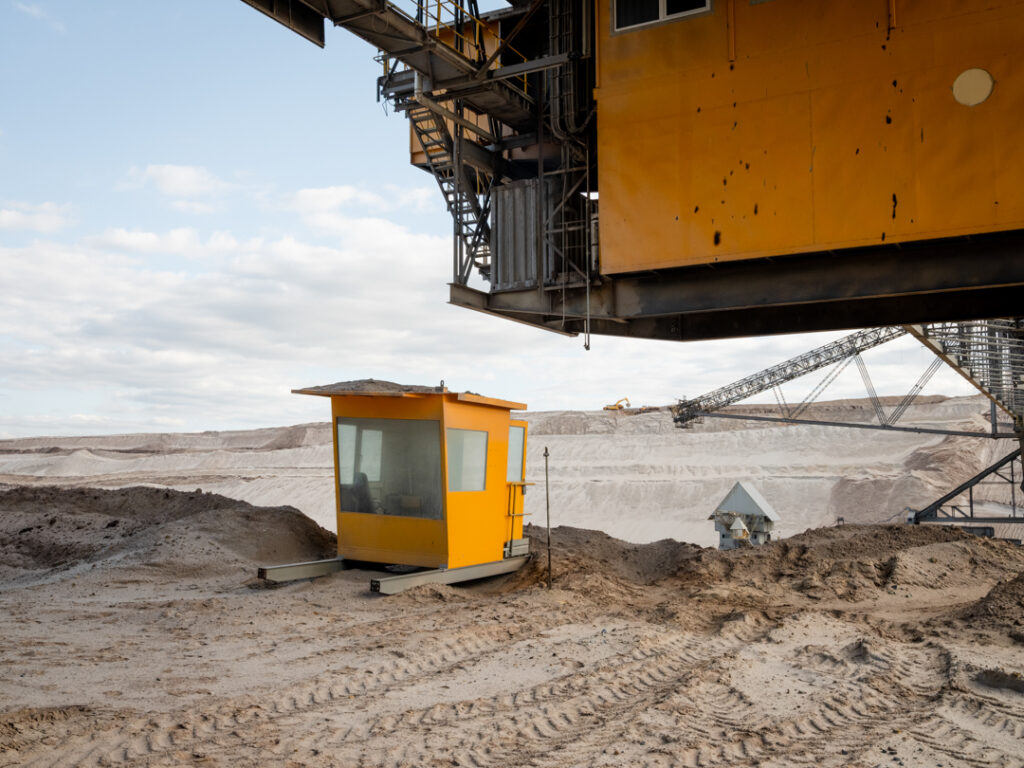
  • Tagebau Jänschwalde
Residuum 
Ende 2023 wurde im Tagebau Jänschwalde planmäßig die Kohleförderung eingestellt. Nach der Sicherung der Flöz- und Kippenflächen begann unmittelbar die Rekultivierung des ehemaligen Bergbaugebiets. In der riesigen Grube werden Sand- und Erdmassen stabilisiert, damit künftig Wälder, landwirtschaftliche Flächen und eine neue Seenlandschaft entstehen können. Rund 130 Bergleute sind noch mit diesen Arbeiten beschäftigt. Ina Schoenenburg fotografierte sie in dieser kargen Landschaft, an ihrem (letzten) Arbeitsplatz mit seinen Maschinen von beeindruckender Größe.
    Tagebau Jänschwalde Residuum Ende 2023 wurde im Tagebau Jänschwalde planmäßig die Kohleförderung eingestellt. Nach der Sicherung der Flöz- und Kippenflächen begann unmittelbar die Rekultivierung des ehemaligen Bergbaugebiets. In der riesigen Grube werden Sand- und Erdmassen stabilisiert, damit künftig Wälder, landwirtschaftliche Flächen und eine neue Seenlandschaft entstehen können. Rund 130 Bergleute sind noch mit diesen Arbeiten beschäftigt. Ina Schoenenburg fotografierte sie in dieser kargen Landschaft, an ihrem (letzten) Arbeitsplatz mit seinen Maschinen von beeindruckender Größe.
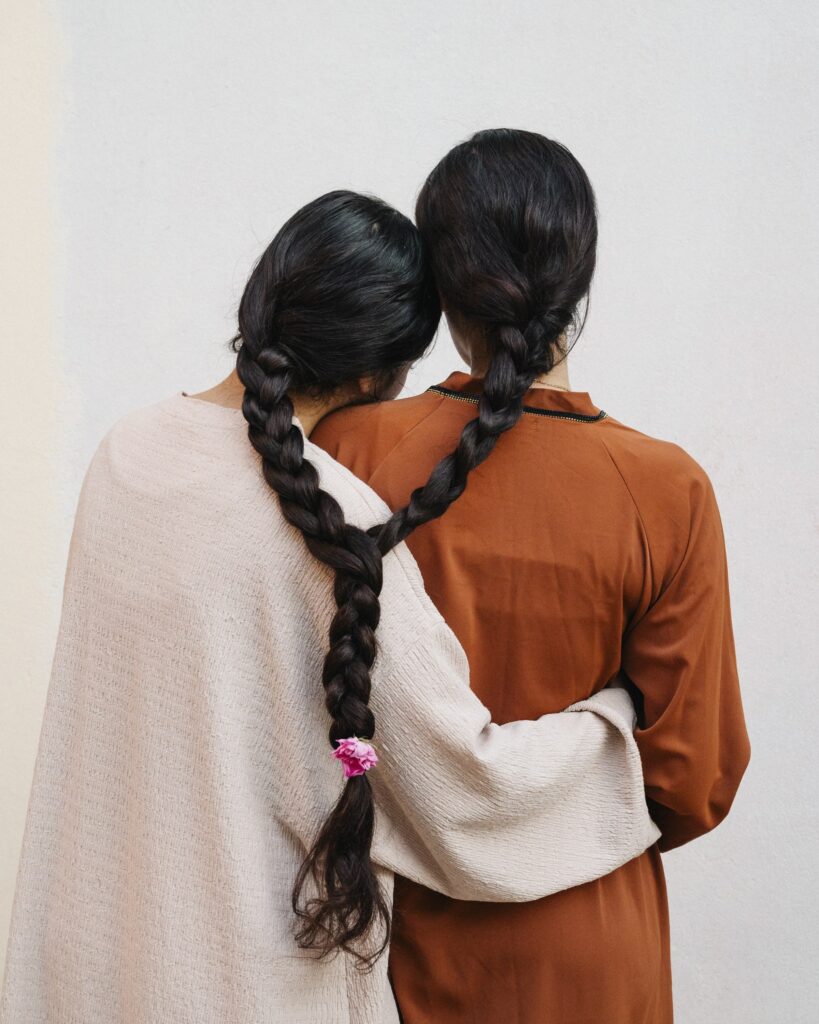
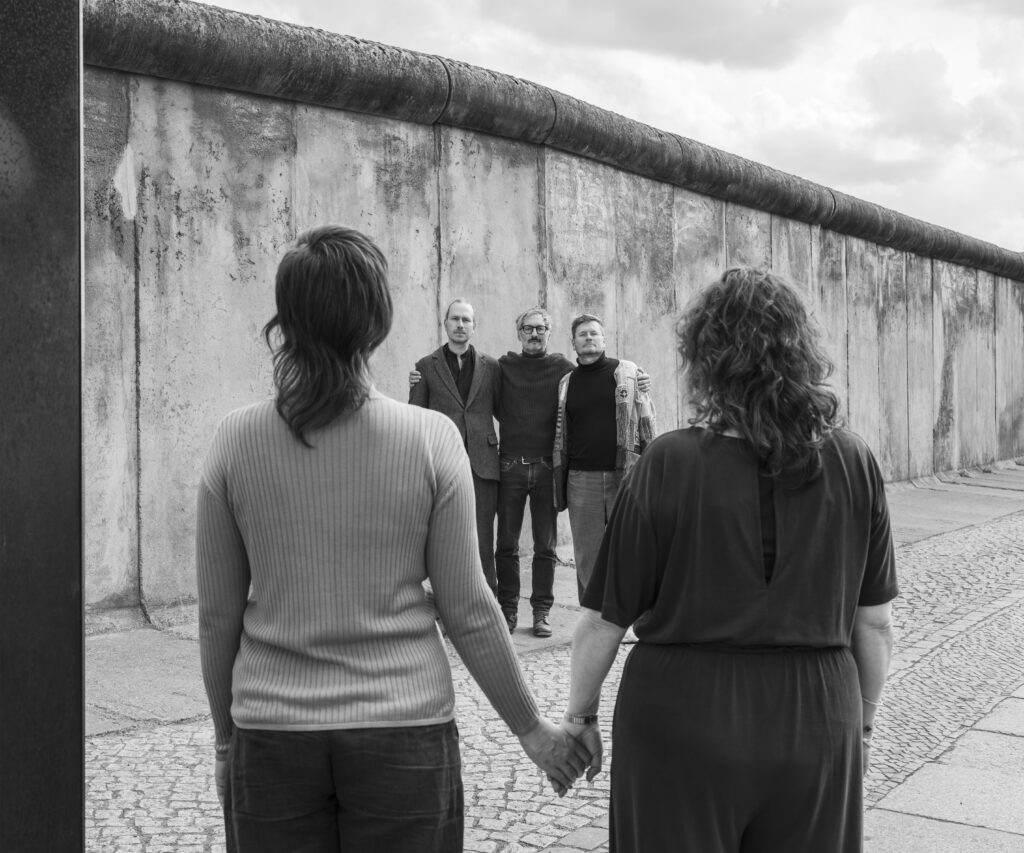
  • V. Vereinigtes Land: Die Gegenwart umarmt Ost- und Westdeutschland, die Vergangenheit und die Zukunft halten sich an den Händen.
Gedenkstätte Berliner Mauer, Bernauer Straße, Berlin, 2026
1/2 AP,
aus der Arbeit: Ost/West - Aufstellung
    V. Vereinigtes Land: Die Gegenwart umarmt Ost- und Westdeutschland, die Vergangenheit und die Zukunft halten sich an den Händen. Gedenkstätte Berliner Mauer, Bernauer Straße, Berlin, 2026 1/2 AP, aus der Arbeit: Ost/West - Aufstellung
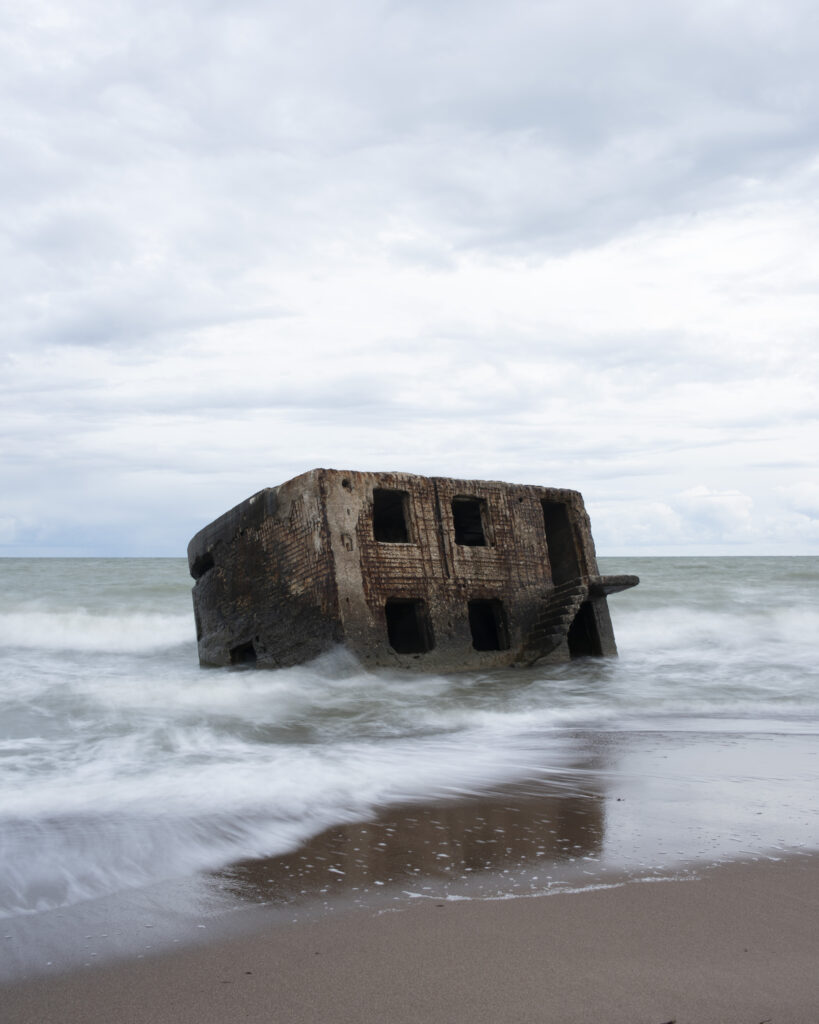
  • Aus der Serie
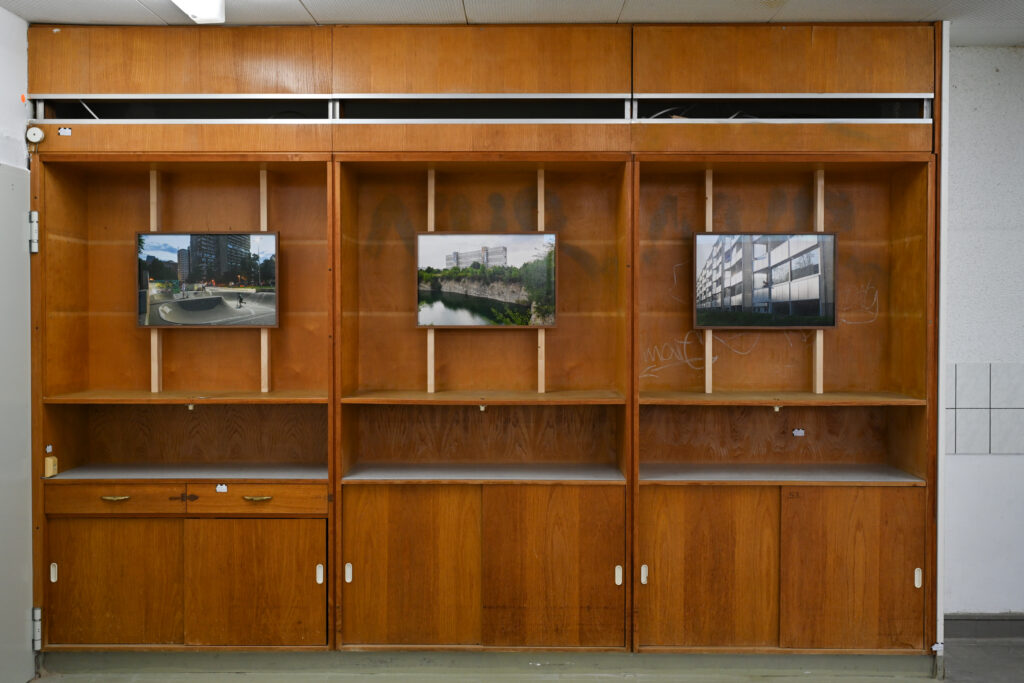
    Aus der Serie "Von Narva nach Odesa"; ehemalige Uferbatterie der Festung Karosta an der lettischen Ostseeküste in Liepaja
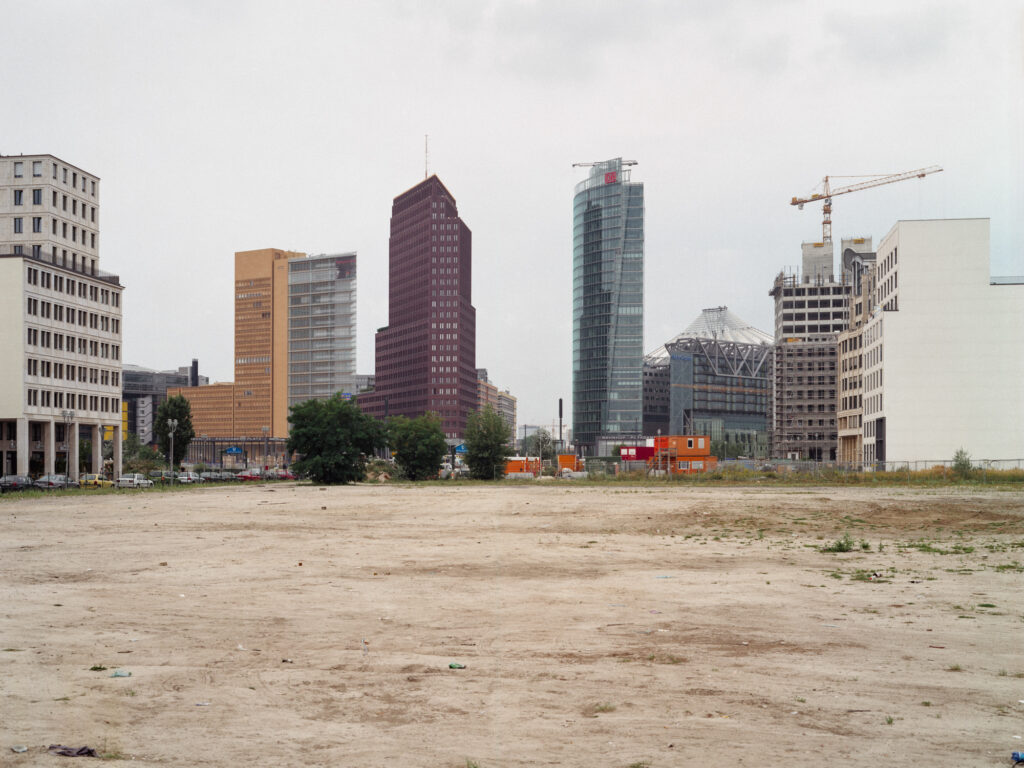
  • Blick über den Leipziger Platz auf den Potsdamer Platz. Bilder vom ehemaligen innerstädtischen Mauerstreifen in Berlin, 1998-2001
    Blick über den Leipziger Platz auf den Potsdamer Platz. Bilder vom ehemaligen innerstädtischen Mauerstreifen in Berlin, 1998-2001
  • Berka, 1998
    Berka, 1998
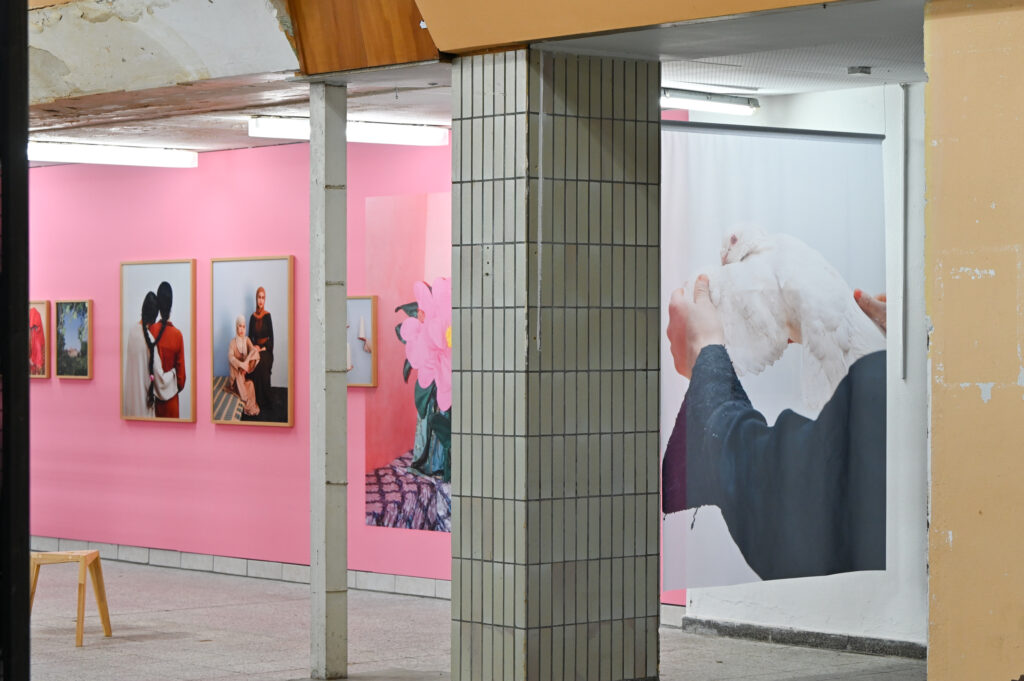
  • Drag-Künstlerin Tatuka Gelashvili und ihre Freundin Anuka Katsiashvili auf einem Markt, Tiflis, Georgien, 2023
    Drag-Künstlerin Tatuka Gelashvili und ihre Freundin Anuka Katsiashvili auf einem Markt, Tiflis, Georgien, 2023
  • Deponie #006, Brandenburg, 2019
    Deponie #006, Brandenburg, 2019
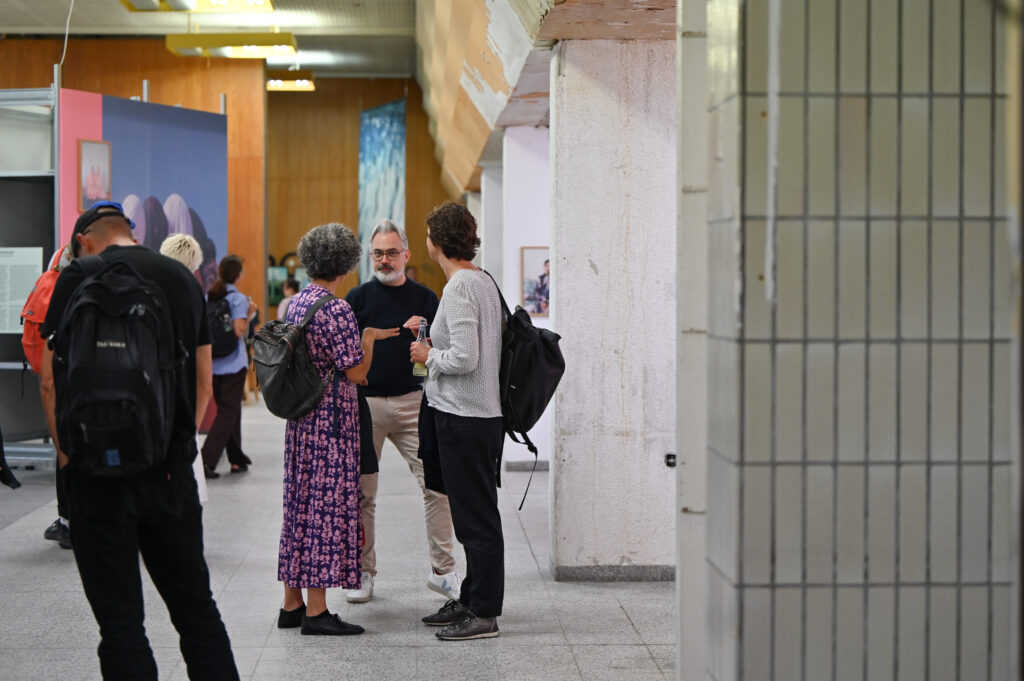
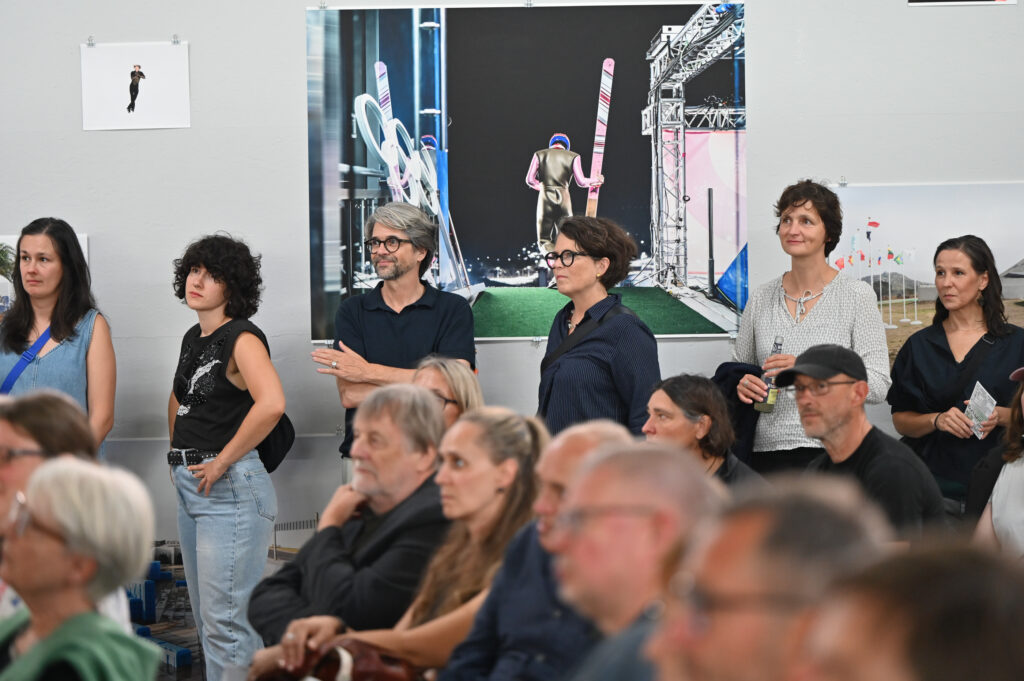
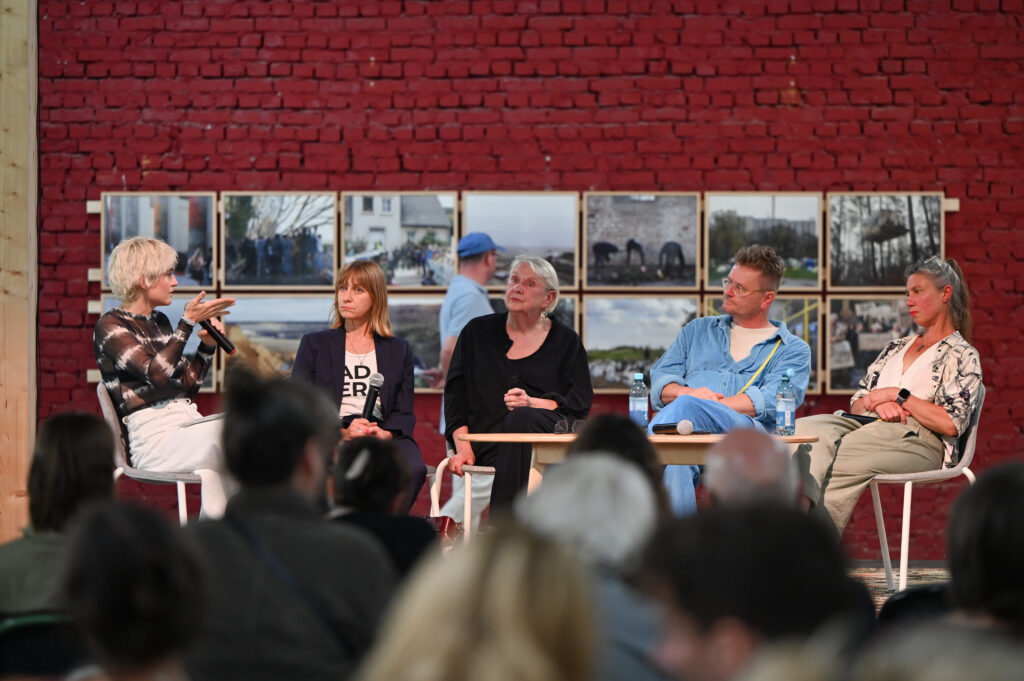
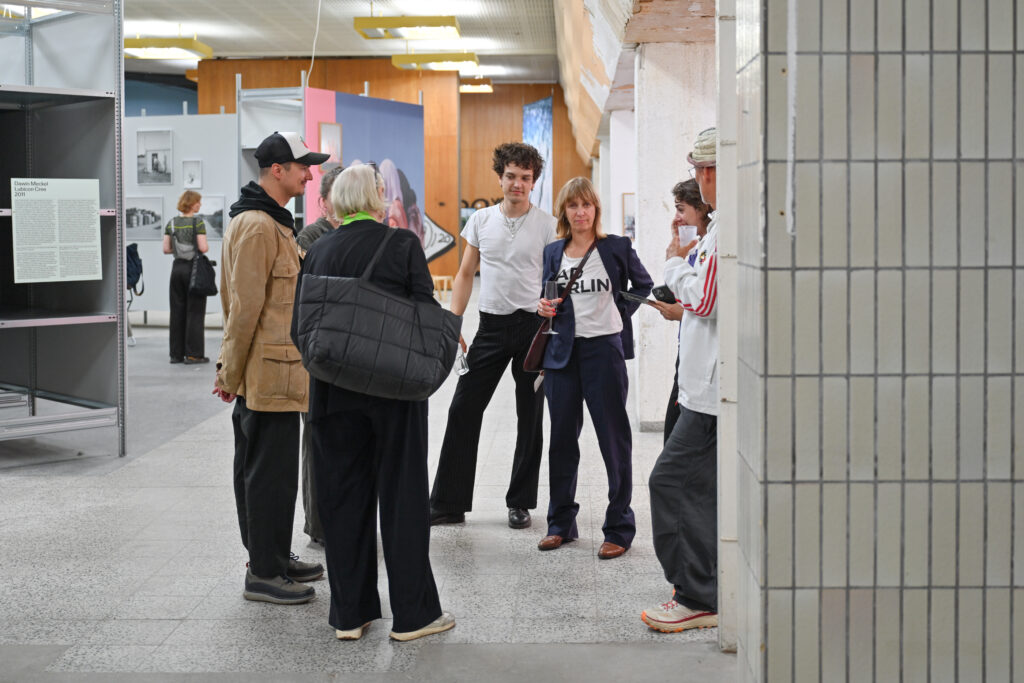
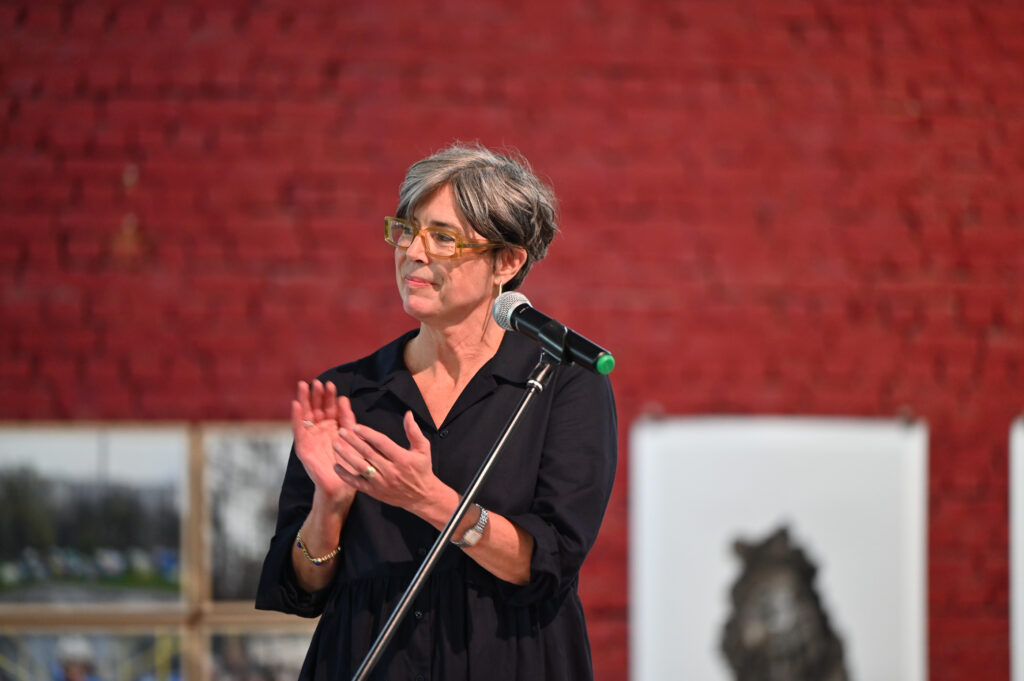
  • 2026.08.28; KH DD/ robotron kantine/ Was wir tun_Foto_Anja Schneider
    2026.08.28; KH DD/ robotron kantine/ Was wir tun_Foto_Anja Schneider
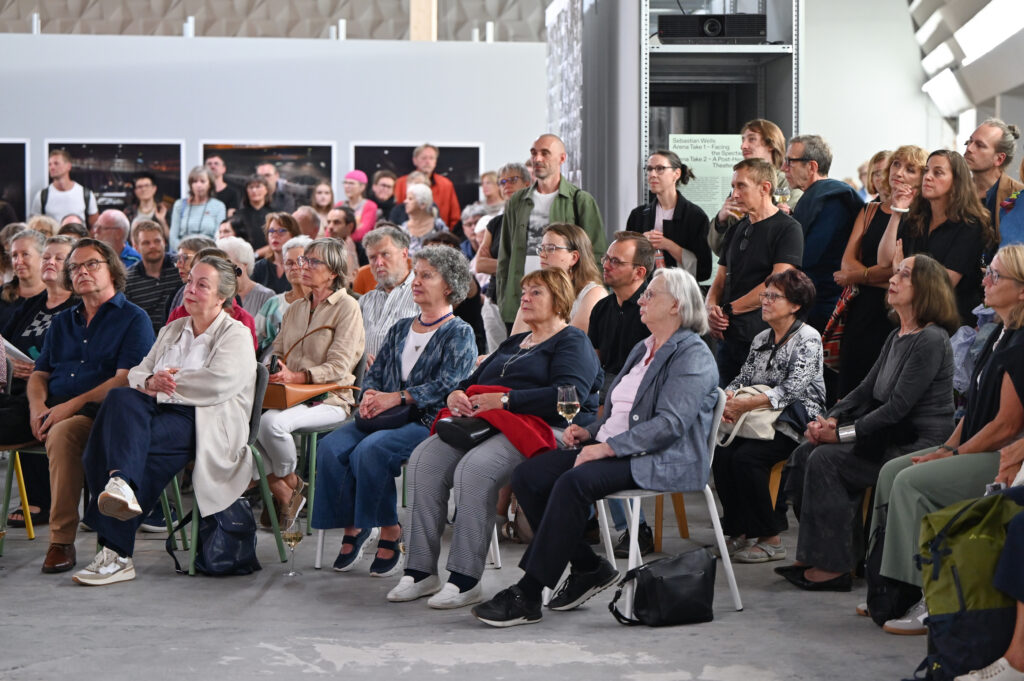
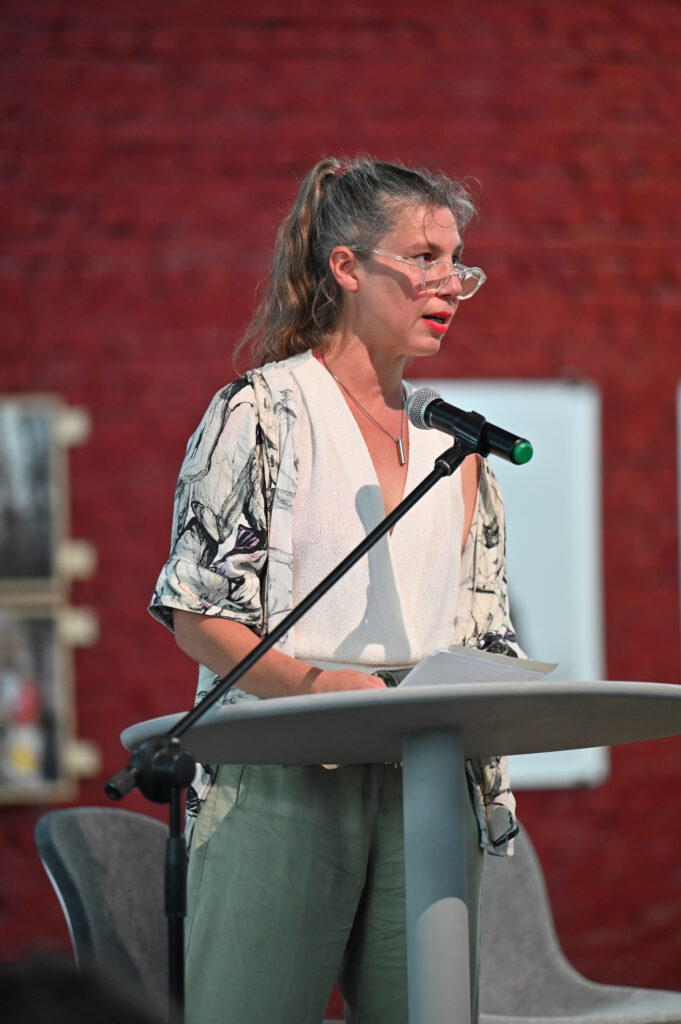
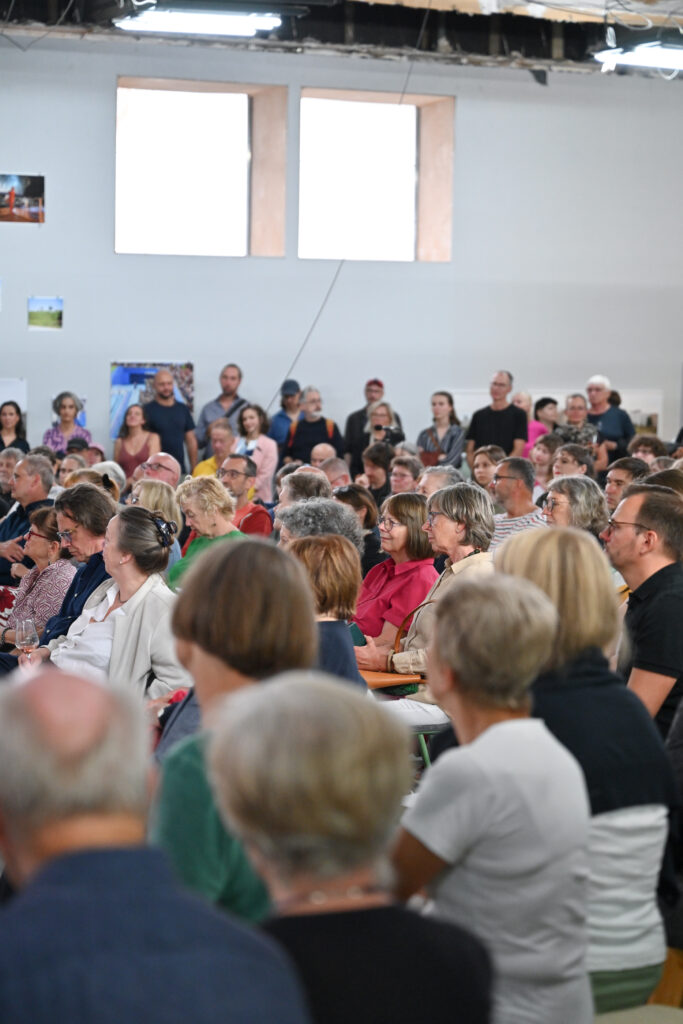
  • 2026.08.28; KH DD/ robotron kantine/ Was wir tun_Foto_Anja Schneider
    2026.08.28; KH DD/ robotron kantine/ Was wir tun_Foto_Anja Schneider
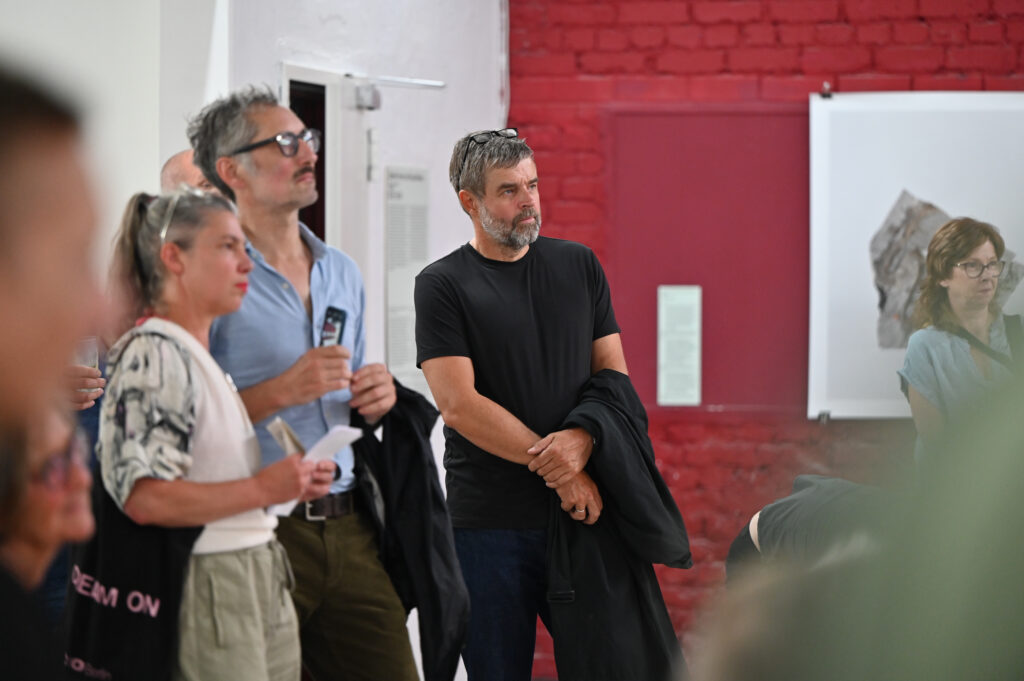
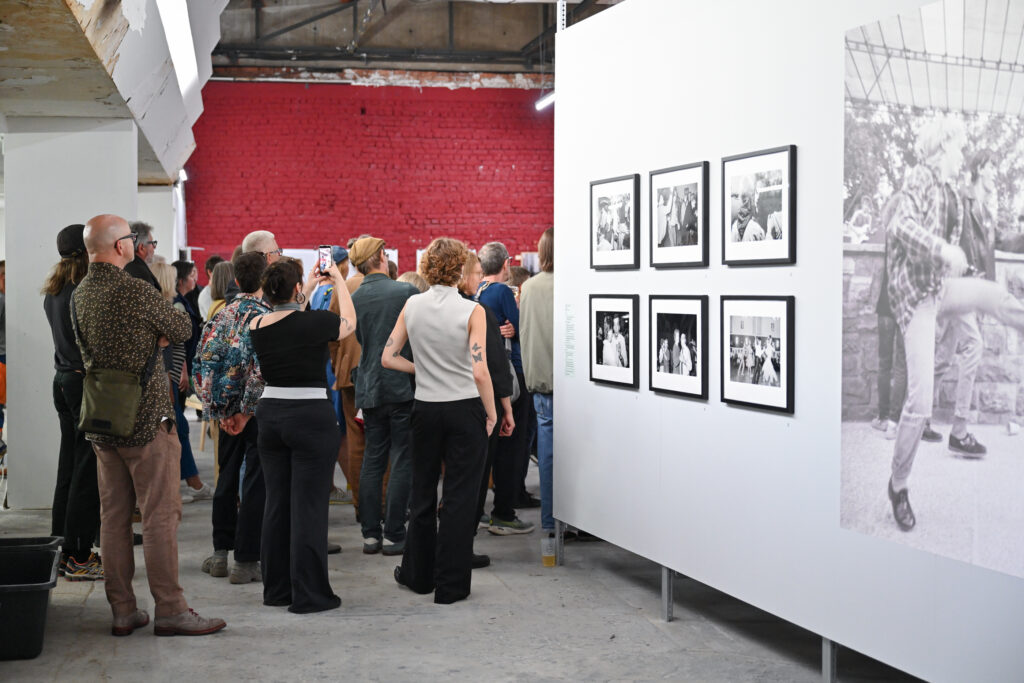
  • 2026.08.28; KH DD/ robotron kantine/ Was wir tun_Foto_Anja Schneider
    2026.08.28; KH DD/ robotron kantine/ Was wir tun_Foto_Anja Schneider
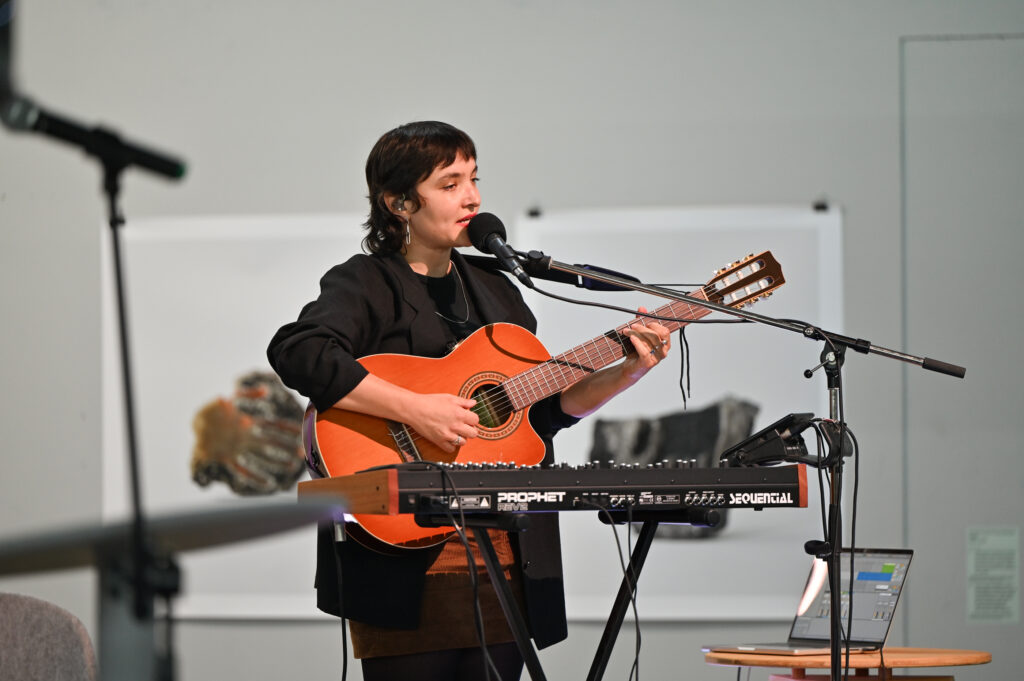
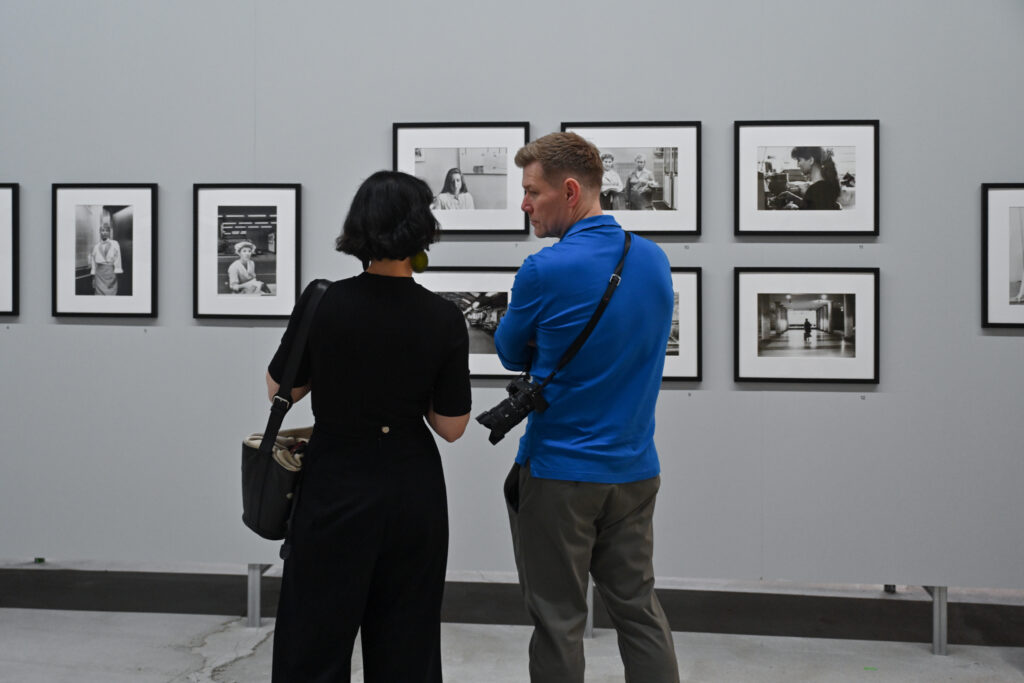
  • 2026.08.28; KH DD/ robotron kantine/ Was wir tun_Foto_Anja Schneider
    2026.08.28; KH DD/ robotron kantine/ Was wir tun_Foto_Anja Schneider
  • 2026.08.28; KH DD/ robotron kantine/ Was wir tun_Foto_Anja Schneider
    2026.08.28; KH DD/ robotron kantine/ Was wir tun_Foto_Anja Schneider
  • 2026.08.28; KH DD/ robotron kantine/ Was wir tun_Foto_Anja Schneider
    2026.08.28; KH DD/ robotron kantine/ Was wir tun_Foto_Anja Schneider
  • 2026.08.28; KH DD/ robotron kantine/ Was wir tun_Foto_Anja Schneider
    2026.08.28; KH DD/ robotron kantine/ Was wir tun_Foto_Anja Schneider
  • 2026.08.28; KH DD/ robotron kantine/ Was wir tun_Foto_Anja Schneider
    2026.08.28; KH DD/ robotron kantine/ Was wir tun_Foto_Anja Schneider
  • 2026.08.28; KH DD/ robotron kantine/ Was wir tun_Foto_Anja Schneider
    2026.08.28; KH DD/ robotron kantine/ Was wir tun_Foto_Anja Schneider
  • 2026.08.28; KH DD/ robotron kantine/ Was wir tun_Foto_Anja Schneider
    2026.08.28; KH DD/ robotron kantine/ Was wir tun_Foto_Anja Schneider
  • 2026.08.28; KH DD/ robotron kantine/ Was wir tun_Foto_Anja Schneider
    2026.08.28; KH DD/ robotron kantine/ Was wir tun_Foto_Anja Schneider
  • 2026.08.28; KH DD/ robotron kantine/ Was wir tun_Foto_Anja Schneider
    2026.08.28; KH DD/ robotron kantine/ Was wir tun_Foto_Anja Schneider
  • Was wir tun, Ostkreuz Agentur, KH Dresden, Robotron Kantine, Foto Anja Schneider
    Was wir tun, Ostkreuz Agentur, KH Dresden, Robotron Kantine, Foto Anja Schneider
  • Was wir tun, Ostkreuz Agentur, KH Dresden, Robotron Kantine, Foto Anja Schneider
    Was wir tun, Ostkreuz Agentur, KH Dresden, Robotron Kantine, Foto Anja Schneider
  • 2026.08.28; KH DD/ robotron kantine/ Was wir tun_Foto_Anja Schneider
    2026.08.28; KH DD/ robotron kantine/ Was wir tun_Foto_Anja Schneider
  • 2026.08.28; KH DD/ robotron kantine/ Was wir tun_Foto_Anja Schneider
    2026.08.28; KH DD/ robotron kantine/ Was wir tun_Foto_Anja Schneider
  • 2026.08.28; KH DD/ robotron kantine/ Was wir tun_Foto_Anja Schneider
    2026.08.28; KH DD/ robotron kantine/ Was wir tun_Foto_Anja Schneider

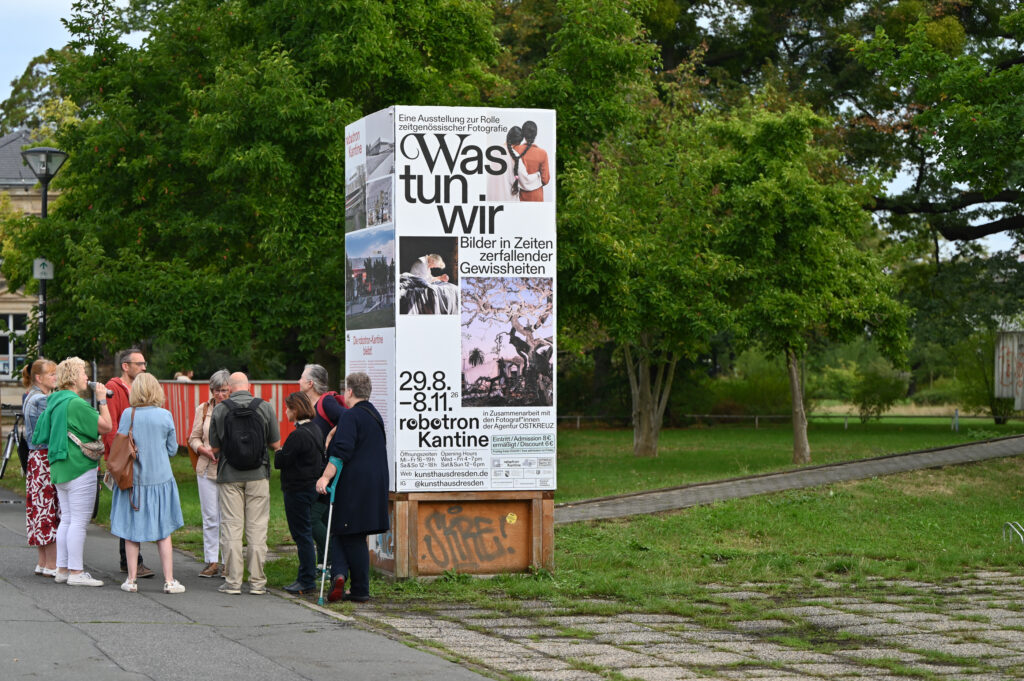
Was tun wir.
Bilder in Zeiten zerfallender Gewissheiten.
Eine Ausstellung zur Rolle zeitgenössischer Fotografie in Zusammenarbeit mit den Fotograf*innen der Agentur OSTKREUZ

Mit Sibylle Bergemann, Jörg Brüggemann, Emile Ducke, Tamara Eckhardt, Espen Eichhöfer, Sibylle Fendt, Johanna Maria Fritz, Lea Greub, Annette Hauschild, Harald Hauswald, Heinrich Holtgreve, Elliott Kreyenberg, Tobias Kruse, Ute Mahler, Werner Mahler, Dawin Meckel, Thomas Meyer, Jordis Antonia Schlösser, Ina Schoenenburg, Anne Schönharting & Linn Schröder, Stephanie Steinkopf, Heinrich Völkel, Maurice Weiss, Sebastian Wells sowie Ludwig Schirmer und Paula Winkler


Die Ausstellung mit neuen Werkserien wie auch historischen Fotografien von 25 Fotograf*innen des Kollektivs OSTKREUZ stellt der Liebe zum Bild Fragen nach der Rolle und den Entstehungsbedingungen zeitgenössischer Fotografie gegenüber: Welche Verantwortung tragen Fotograf*innen heute, mit welchen Bildern können radikale gesellschaftliche Transformationen, (geo)politische Machtverschiebungen und fortschreitende ökologische Veränderungen sichtbar gemacht werden? Die ausgewählten Arbeiten entstehen in Zeiten, in denen sich Produktionsbedingungen unaufhaltbar verändern und an den Fundamenten jener Fotografie rütteln, die OSTKREUZ nach dem Fall der Mauer bekannt gemacht haben: Teilnehmende Beobachtungen des Zeitgeschehens, die eine Brücke zwischen dokumentarischer Verpflichtung und künstlerischem Ausdruck schlagen, und ein distanzierter Blick auf die Macht gehen inmitten der radikalen Veränderung klassischer Medienlandschaften zunehmend verloren. Und doch sind es gerade diese Werkserien, die verstehende Blicke, Empathie und Einsichten in Entwicklungsprozesse und Lebenswelten ermöglichen.

In Zeiten zerfallender Gewissheiten zeigt die Ausstellung „Was tun wir“ in der historischen Dresdner robotron-Kantine – noch vor der anstehenden Sanierung des Gebäudes – Erfahrungshorizonte und Bilder von Ende und Neuanfang, Krieg, aber auch Solidarität und Zusammenhalt, wie auch von grundlegenden Umbrüchen von Lebensbedingungen und den unglaublichen Kraftanstrengungen sowie der wiederholten Suche nach Heimat und Identifikation, die es benötigt, um eine positive Entwicklung zu bewirken, die manchmal im Nichts anfängt.

Auf diese Entwicklungen reagierend versteht sich „Was tun wir. Bilder in Zeiten zerfallender Gewissheiten“ auch als eine Ausstellung und Reflektion über die Rolle von Fotografie heute als professionelle künstlerische und gesellschaftliche Praxis.


Robotron-Kantine, Lingnerallee am Skatepark, 01069 Dresden
Öffnungszeiten / Opening Hours

Mi / WED – FR / FRI 16 – 19 H
Sa / SAT & SO / SUN 12 – 18 H

Eintritt / Admission 8€
ermäßigt / Discount 6€
Freitags freier Eintritt / free admissions on Fridays

Zu den Öffnungszeiten befinden sich Gesprächspartner*innen in der Ausstellung – sprechen Sie diese gerne an. Sonderführungen jederzeit buchbar.

Gefördert durch die Kulturstiftung des Freistaates Sachsen, European Cultural Foundation und das Stadtbezirksamt Altstadt.
Mit weiterem Dank für Unterstützung an Hahnemühle und die Kulturstiftung Schloss Wiepersdorf.

Events:

  • Talk

    Place: robotron-Kantine am Skatepark

    Fri, 28. Aug 2026, 18 Uhr

    Opening

    We warmly invite you to the grand opening on Friday, 28 August at 6 pm!

    Programme:

    Welcoming remarks & speeches

    Prof. Dr Manuel Frey (Director of the Cultural Foundation of the Free State of Saxony), Sibylle Fendt (Managing Director of the OSTKREUZ agency, photographer), the Friends of Kunsthaus Dresden and Christiane Mennicke-Schwarz (Director of Kunsthaus Dresden, curator)

    Panel discussion

    with the photographers from the OSTKREUZ agency: Sibylle Fendt, Annette Hauschild, Tobias Kruse and Ute Mahler

    Moderator: Anne Waak (author and journalist)

    Live concert: Anu (Anna-Lucia Rupp, solo)

    After-party: John FIZZ

    The bar is open.

    We look forward seeing you at the final exhibition opening in the robotron canteen before the refurbishment!

  • Guided Tour

    Place: robotron-Kantine

    Sat, 5. Sep 2026, 17 Uhr

    Panel discussion: "Something is Shifting. Images between Conformity and Resistance."

    Panel discussion with the photographers Espen Eichhöfer, Sibylle Fendt, Tobias Kruse, Anne Schönharting & Linn Schröder, and Stephanie Steinkopf. Moderator: Oliver Reinhardt (cultural journalist and freelance writer, Dresden).


    The photographers will discuss the creation of their series of works on the themes of radical social transformation, ongoing ecological change and the resulting reactions and impacts on the environment, as well as the resulting upheavals in living conditions. The panel discussion will stimulate a social discourse on what it means to consider humanity and the environment as a unified whole, and on the challenges that all life faces now and will face in the future.

  • Guided Tour

    Place: robotron-Kantine

    Sun, 13. Sep 2026, 15 Uhr

    DIALOGFÜHRUNG

    Beginnend mit dem ersten Sonntag der Ausstellung finden jeden zweiten Sonntag um 15 Uhr Dialogführungen durch die Ausstellung mit jeweils zwei Fotograf*innen der Agentur OSTKREUZ oder mit unseren Vermittler*innen statt.


  • Guided Tour

    Place: robotron-Kantine

    Sun, 27. Sep 2026, 15 Uhr

    DIALOG-Führung mit den OSTKREUZ-Fotograf*innen

    On Sunday, September 27, at 3 p.m.
    we cordially invite you to a guided tour with OSTKREUZ photographers Lea Greub and Tobias Kruse!

    The café will be open.

    Lea Greub (b. 1998) lives and works as a freelance photographer in Berlin and Tbilisi. Lea Greub’s photographic work focuses on the everyday realities of people, struggles for equality, and the survival strategies of queer communities amid the threats of our time. A key driving force behind her images and narratives is her examination of patriarchal and heteronormative structures. Her work has been presented internationally by major photography institutions and festivals and has received numerous awards. In 2025, Lea Greub graduated from the Ostkreuz School of Photography in Berlin, and in 2026 she became a member of the OSTKREUZ agency. At the heart of her photographic series “No Georgian Dream” is a young, progressive generation in Georgia and the dominance of an increasingly autocratic, pro-Russian government that poses a growing threat to their future.

    Tobias Kruse (born in 1979 in Mecklenburg) lives and works as a freelance photographer in Berlin. His photographic work focuses on cultural and ecological issues. To this end, he enjoys visiting places where, unnoticed by the mainstream media, significant trends shaping our societies are taking shape. His work has been featured in numerous international exhibitions and is regularly published in books and magazines. Tobias Kruse studied photography at the Ostkreuz School and has been a member of the OSTKREUZ agency since 2011. For his photographic series “Deponie,” Tobias Kruse sets out in search of the scars of a time that continues to cast its shadow over the present: the years following reunification in East Germany. In his photographic series “Ära,” for which he traveled to Ukraine, the U.S., Europe, and Israel/Palestine, Tobias Kruse—as both a photographer and a father—explores overlapping realities and asks himself how one can still tell the story of the world without giving too much space to the darkness, yet without losing sight of the light.


  • Talk

    Place: robotron-Kantine

    Thu, 8. Oct 2026, 18 Uhr

    MAUER LAND. Stories and People in an East German Collective 35 Years After Reunification: OSTKREUZ

    For our second panel discussion
    Mauer Land.
    Stories and People in an East German Collective 35 Years After Reunification: OSTKREUZ

    Featuring the OSTKREUZ photographers Ute Mahler, Thomas Meyer, Ina Schoenenburg, Anne Schönharting & Linn Schröder; moderated by Andreas Krase (art historian and curator of photography, Berlin)
    we cordially invite you
    on Thursday, Oct. 8, 2026, at 6:00 p.m.

    The reunification of Germany more than 35 years ago continues to influence the way people in Germany speak to one another; at times, it even seems as though the question of whether someone is from East or West Germany is more relevant than ever. The second conversation as part of the exhibition “What is To Be Done” takes its title from the photographic series “Mauer Land,” which OSTKREUZ photographer Thomas Meyer shot in Berlin between 1998 and 2001. The starting point was the open, unobstructed space that had emerged on the former Wall strip in Berlin as a result of German reunification—a space that highlighted not only freedom but also the still-unequal standards of living in the East and West.

    The panel discussion will focus on the history of the OSTKREUZ agency—where photographers from both parts of Germany now work together—on how questions about East and West continue to influence the collective to this day, and on the creation and background of the new series of works produced for the exhibition “Was tun wir” at the former robotron-canteen building. For example, the extensive series “Ein Dorf”( ~A Village) by Ute and Werner Mahler, created between 1950 and 2022, documents life in the Thuringian village of Berka and thus serves as an exemplar of the historical and social changes that have taken place over a period of more than 70 years.
    Ina Schoenenburg’s photographic series also examines change in a region: Jänschwalde is a prime example of the transformation taking place in Lusatia. Where coal was mined and energy was generated for decades, forests, farmland, and a new lake landscape are now emerging, along with energy storage facilities and an industrial park. About 130 former miners are currently still engaged in moving massive amounts of earth. The video installation and the photographic series “OST/WEST – Aufstellung” by Anne Schönharting and Linn Schröder focus on making tangible the multifaceted individual and collective experiences, as well as the inner images and projections related to a divided Germany, which continue to resonate to this day. The film footage of this experiment, in which some of the photographers from the OSTKREUZ agency participated, offers a deeply moving insight into experiences and emotions—still unprocessed to this day—related to the search for identity amid the divisions between East and West, and between the past, present, and future.

    The discussion, moderated by Andreas Krase—an art historian and curator of photography who worked successfully for many years at the Technische Sammlungen in Dresden and now lives in Berlin—brings together these different perspectives with fundamental questions about the history of the OSTKREUZ agency.


  • Guided Tour

    Place: robotron-Kantine

    Sun, 11. Oct 2026, 15 Uhr

    DIALOG-Führung mit den OSTKREUZ-Fotograf*innen

    On Sunday, October 11, at 3 p.m.
    we cordially invite you to a guided tour with OSTKREUZ photographers Jordis Antonia Schlösser and Heinrich Völkel!

    The café will be open.

    Please remember to bring warm clothes – it’s already
    getting rather chilly in the robotron canteen!


    Jordis Antonia Schlösser (born in Göttingen in 1967) lives and works as a freelance photographer in Berlin. Her photographic work centres on people and their social reality. Her almost sociological observational gaze focuses on everyday life and relationships in places undergoing immediate social change. Her photographs from almost every corner of the world have appeared in highly acclaimed features in magazines such as ‘Geo’, ‘Stern’ and ‘Spiegel’, have been shown in national and international exhibition projects, and have won numerous awards. After spending years in Havana and Paris, Jordis Antonia Schlösser returned to Berlin in 2008. She has been a member of the OSTKREUZ agency since 1997 and was accepted into the World Press Photo Masterclass in 1998. For her series “Abschied von Gestern” (Farewell to Yesterday), she photographed Halle-Neustadt in 2004, forty years after the founding of the former model city of the GDR. Following German reunification, the town had shrunk by half and seemed to have no future. For “Wiedersehen in Ha-Neu” (Reunion in Ha-Neu), she returned in 2026 to find a new town where those who stayed and newcomers have formed a young community. It is there that the future of this, in many respects, cosmopolitan place is now being decided.


    Heinrich Völkel (born in Moscow in 1974) lives and works as a freelance photographer in Wiesbaden. In his work, he often turns his attention to the overlooked, chance empty spaces between buildings or in landscapes, into which history, necessity and obstinacy have become inscribed. His photographs have been shown in numerous exhibitions, have won several awards and have been published in, amongst others, ‘Stern’, ‘Der Spiegel’ and ‘SZ-Magazin’. After studying architecture in Leipzig, Heinrich Völkel completed his training in photography at the Lette-Verein in Berlin in 1999 and has been a member of the OSTKREUZ agency since 2005. For his photographic series ‘From Narva to Odessa’, he travels along the current and former borders of the Soviet empire, from Estonia’s easternmost city to the Black Sea. Focusing on contemporary architecture, landscapes, border installations and people, his gaze is directed towards both the past and the future. In doing so, he asks whether one’s own origins can be reconstructed on the basis of a region that one only comes to know as an adult.

  • Guided Tour

    Place: robotron-Kantine

    Sun, 25. Oct 2026, 15 Uhr

    DIALOG-Führung Vermittlungsteam

  • Talk

    Place: robotron-Kantine

    Sat, 7. Nov 2026, 17 Uhr

    A SURVIVAL PARADOX. Living and Surviving in Times of War

    The third and final panel discussion as part of the exhibition “What is To Be Done.”

    A Survival Paradox. (Surviving) Life in War.
    featuring Dr. Agnes Matthias (art historian and curator, Dresden) and OSTKREUZ photographers Johanna Maria Fritz, Elliott Kreyenberg, and Emil Ducke; moderated by Sebastian Wells (OSTKREUZ photographer)

    on Saturday, November 7, at 5:00 p.m.

    We cordially invite you to attend.

    Russia’s war of aggression against Ukraine—which began in 2014 and has been a full-scale invasion since 2022—has brought back questions we never wanted to ask ourselves again. We, too, feel its consequences every day, even if mostly subtly: in energy prices, in disinformation campaigns. In Ukraine, the war is the context against which everything else takes place. How does one survive—or even just get by—under these circumstances?


    The third and final talk as part of the exhibition “What is To Be Done?” takes its title from the series “A Survival Paradox” by OSTKREUZ photographer Elliott Kreyenberg, which he created as a site-specific installation for the Robotron cafeteria. He portrays young men who refuse to perform military service—contrary to the willingness to defend the country that society expects of them. The right to refuse military service on grounds of conscience is recognized as a human right in Europe—but in Ukraine, it has been suspended under martial law. These men are absent from the public debate: Anyone who speaks out leaves themselves open to attack.

    Johanna Maria Fritz, the multi-award-winning photographer for OSTKREUZ, has been working primarily in Ukraine since the war began. In her film “Furies – Watching From Above”—produced in collaboration with author Morgane Bona and screening in the basement of the Robotron cafeteria—she highlights the profound impact drones are having on this war and the toll that constant surveillance takes on the combatants.


    In his photographic series “The Cold,” Emile Ducke depicts yet another drastic form of warfare: As early as the first winter of the war, the Russian army deliberately targeted Ukraine’s energy infrastructure. This tactic has historical precedents; older Ukrainians recall their childhoods during World War II. Today, just as then, the cold is a weapon.


    The panel discussion will focus on the closeness to the subjects and the resulting responsibility, on the question of what becomes visible and what does not, and on the role of photographers in a war that is also waged through images. Since completing her dissertation—which focused on material from the Yugoslav Wars and the Northern Ireland conflict—Dresden-based art historian and curator Dr. Agnes Matthias has been examining how artistic photography from earlier wars addressed these questions. Dr. Agnes Matthias currently heads the Deutsche Fotothek collection at the SLUB in Dresden.


    The discussion will be hosted by OSTKREUZ photographer Sebastian Wells, a member of the curatorial team for “What is To Be Done.” Since 2022, his journalistic project has also focused on bringing together Ukrainian and internationally active female photographers and showcasing their diverse voices: Together with Ukrainian photographer Vsevolod Kazarin, he founded the magazine “Solomiya,” which has been published in Kyiv and Berlin ever since.


  • Guided Tour

    Place: robotron-Kantine

    Sun, 8. Nov 2026, 15 Uhr

    DIALOG-Führung mit den OSTKREUZ-Fotograf*innen

    Beginnend mit dem ersten Sonntag der Ausstellung finden jeden zweiten Sonntag um 15 Uhr Dialogführungen durch die Ausstellung mit jeweils zwei Fotograf*innen der Agentur OSTKREUZ oder mit unseren Vermittler*innen statt.